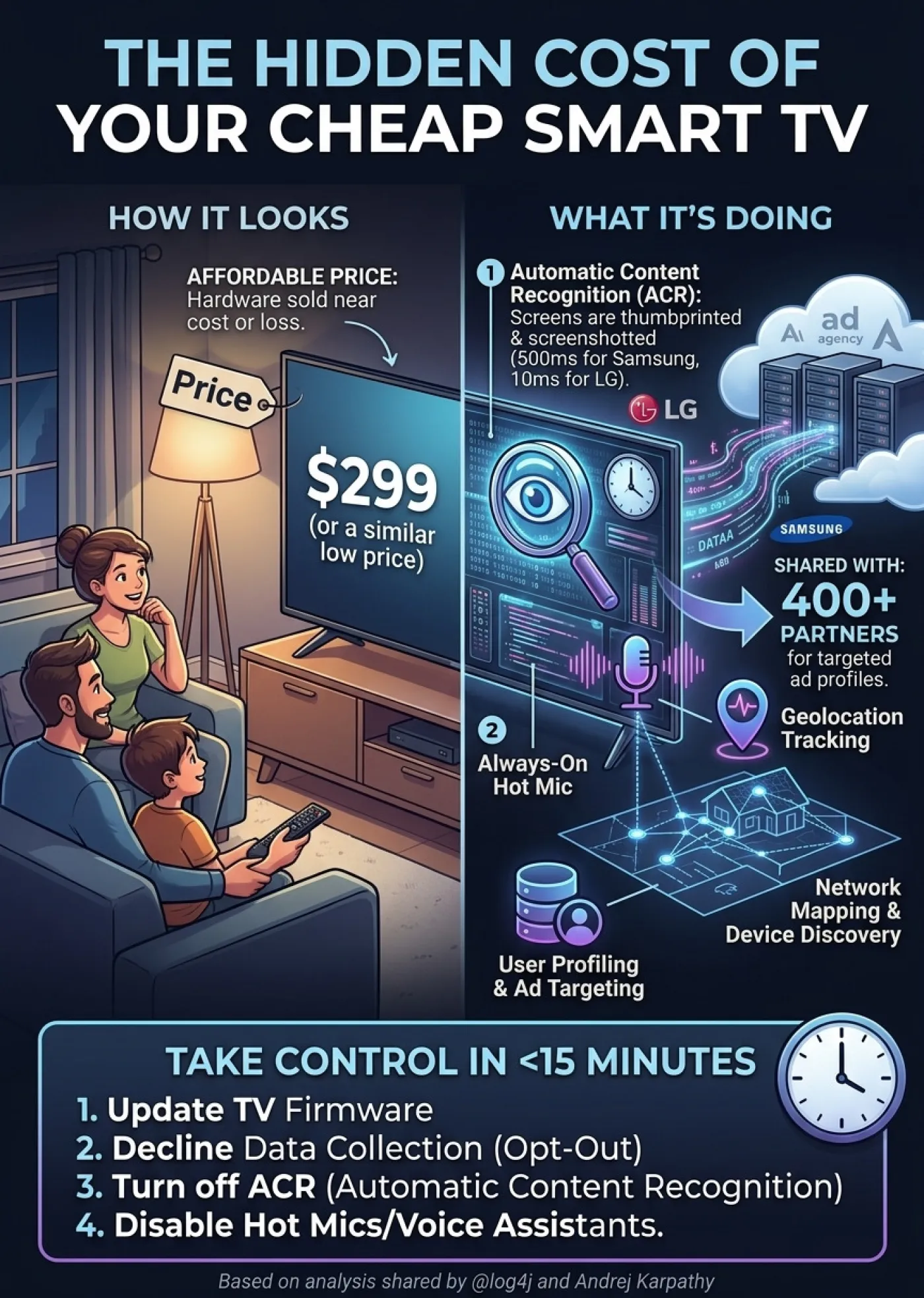
স্মার্ট টিভি কেন এত কম দামে পাওয়া যায়? কারণ আপনার ব্যাক্তিগত উপাত্তই (Data) এখানে আসল পণ্য! সাম্প্রতিক অনুসন্ধানে দেখা গেছে, স্মার্ট টিভিতে থাকা ACR প্রযুক্তি প্রতি সেকেন্ডে স্ক্রিনের স্ক্রিনশট নেয় এবং অনবরত মাইক্রোফোন ও নেটওয়ার্ক ট্র্যাকিংয়ের মাধ্যমে ব্যবহারকারীর প্রোফাইল তৈরি করে ৪০০+ পার্টনারদের কাছে পাঠায়। জেনে নিন কীভাবে মাত্র ১৫ মিনিটে আপনার টিভির এই ট্র্যাকিং ও ডেটা শেয়ারিং বন্ধ করবেন।
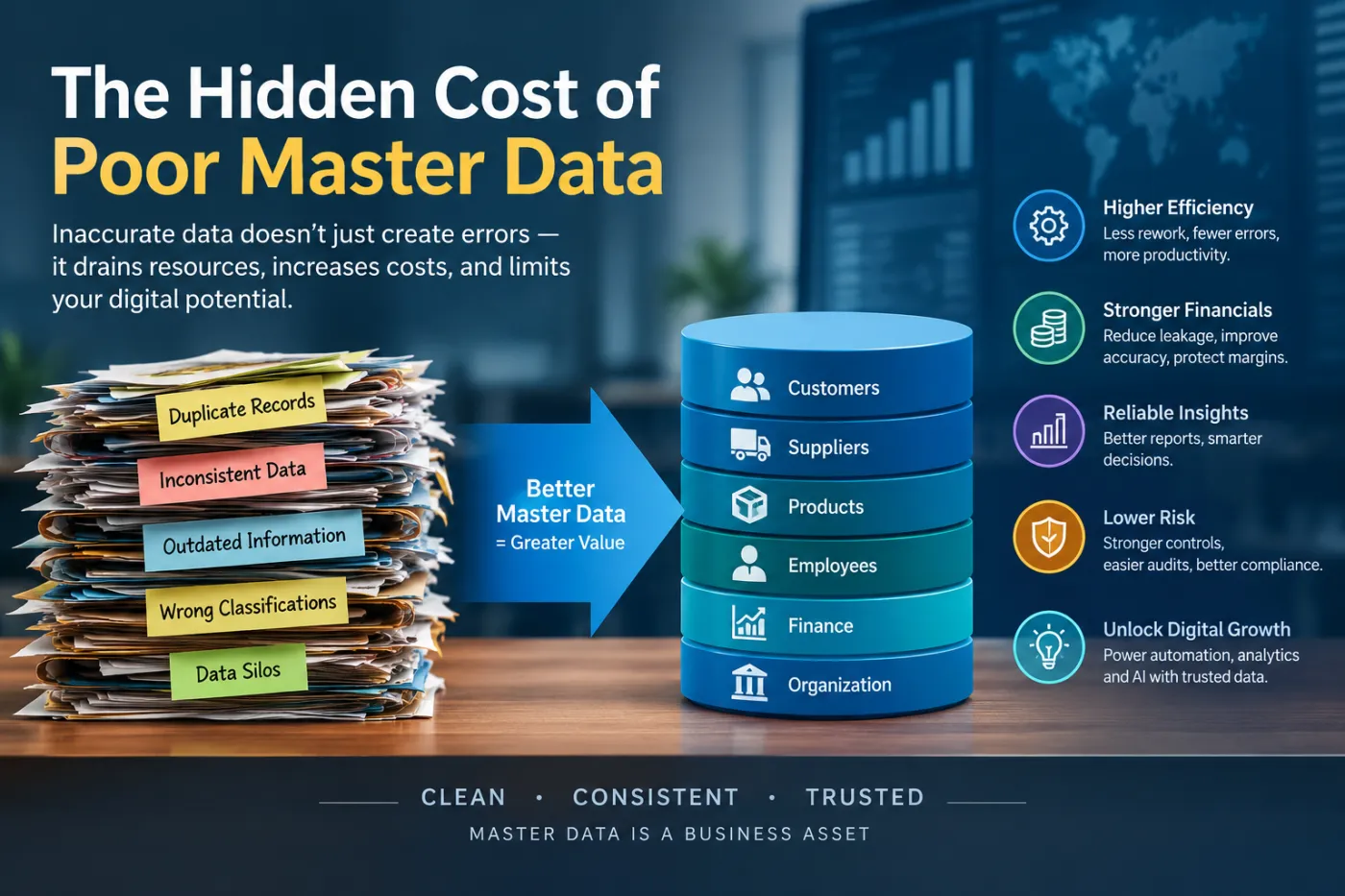
Technology cannot deliver its full potential when the data behind it is unreliable. From ERP performance to AI-driven insights, poor master data creates hidden risks that affect profitability, compliance, and strategic decisions. For today's IT leaders, establishing data ownership, governance, and quality standards is not optional—it is a business imperative.
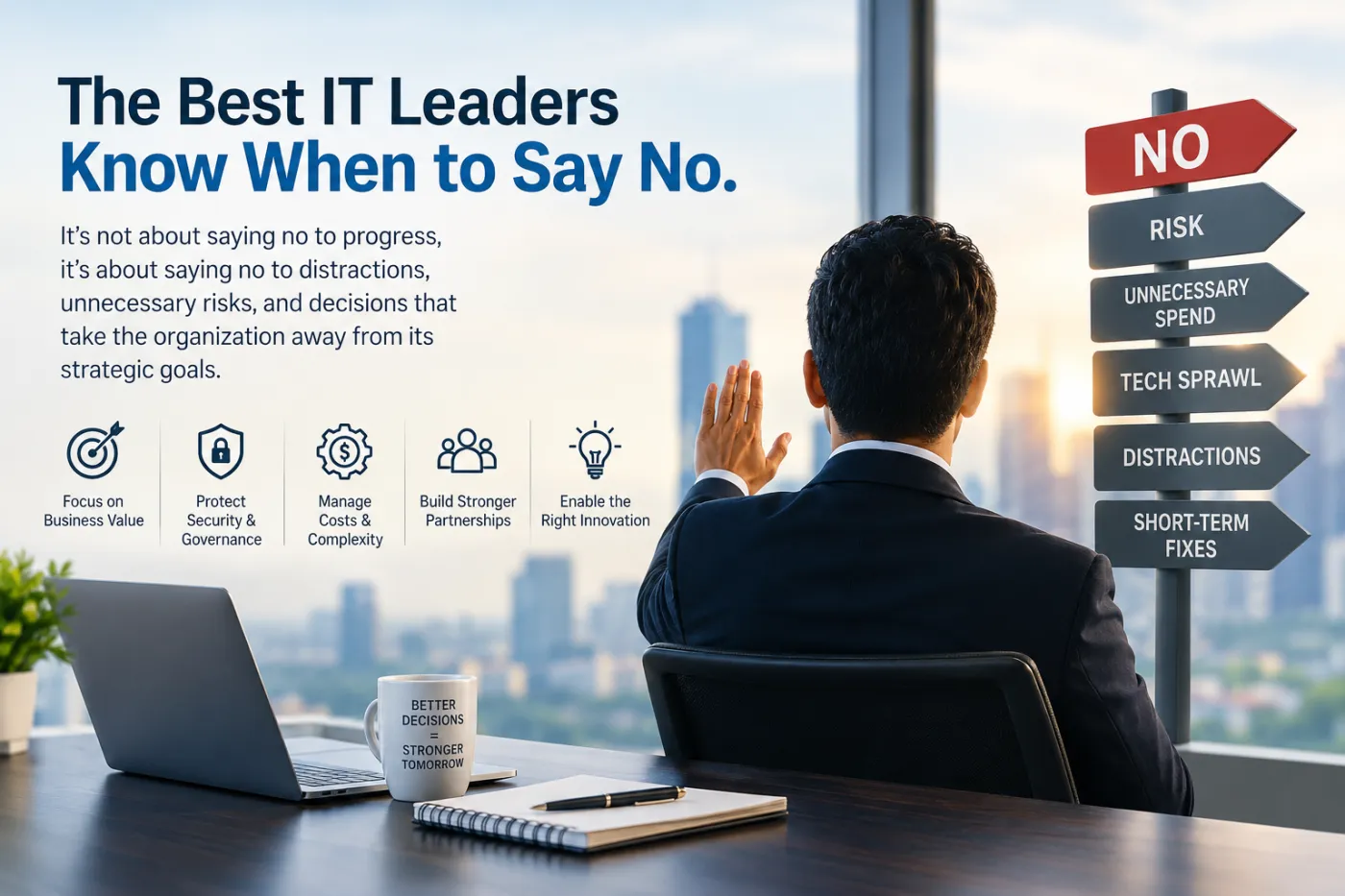
The best IT leaders know that saying yes to everything is not effective leadership. True leadership means prioritizing business value, managing risks, and allocating resources strategically. Sometimes, the most valuable decision is to decline another request to protect the organization's long-term goals. Great IT leaders don't just enable technology; they make technology decisions that drive business success.
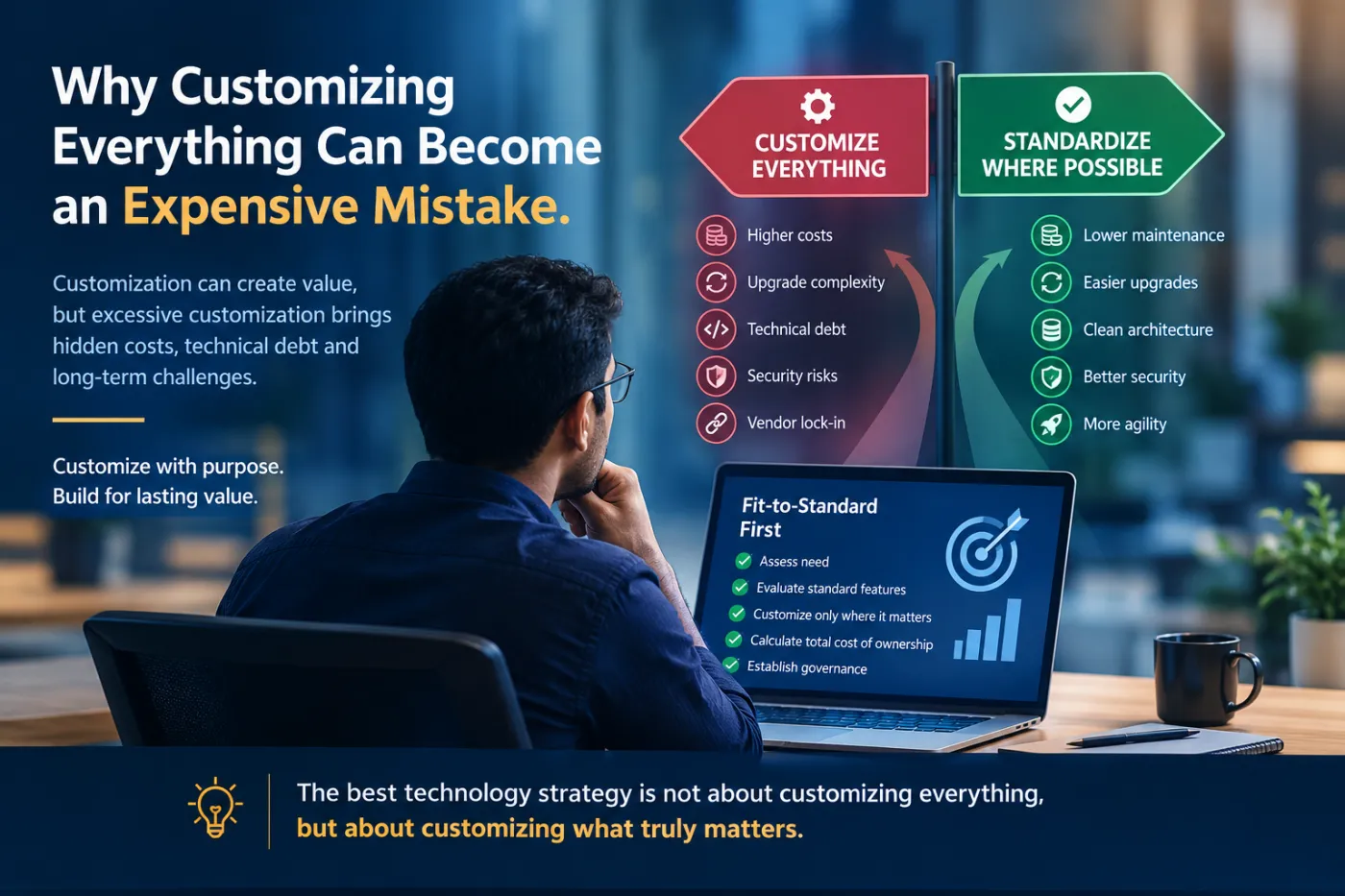
Every customization comes with a cost beyond development. From security risks and vendor dependencies to expensive upgrades and ongoing maintenance, unnecessary modifications can undermine long-term digital transformation. Smart IT leadership prioritizes fit-to-standard approaches, measurable business value, and sustainable architecture—because the best technology strategy is not about customizing everything, but about customizing what truly matters.
Great leadership is not about controlling every task; it is about empowering people to take ownership, make decisions, and deliver results. By building trust, defining clear expectations, and encouraging accountability, leaders create teams that are more confident, productive, and capable of driving sustainable organizational growth.
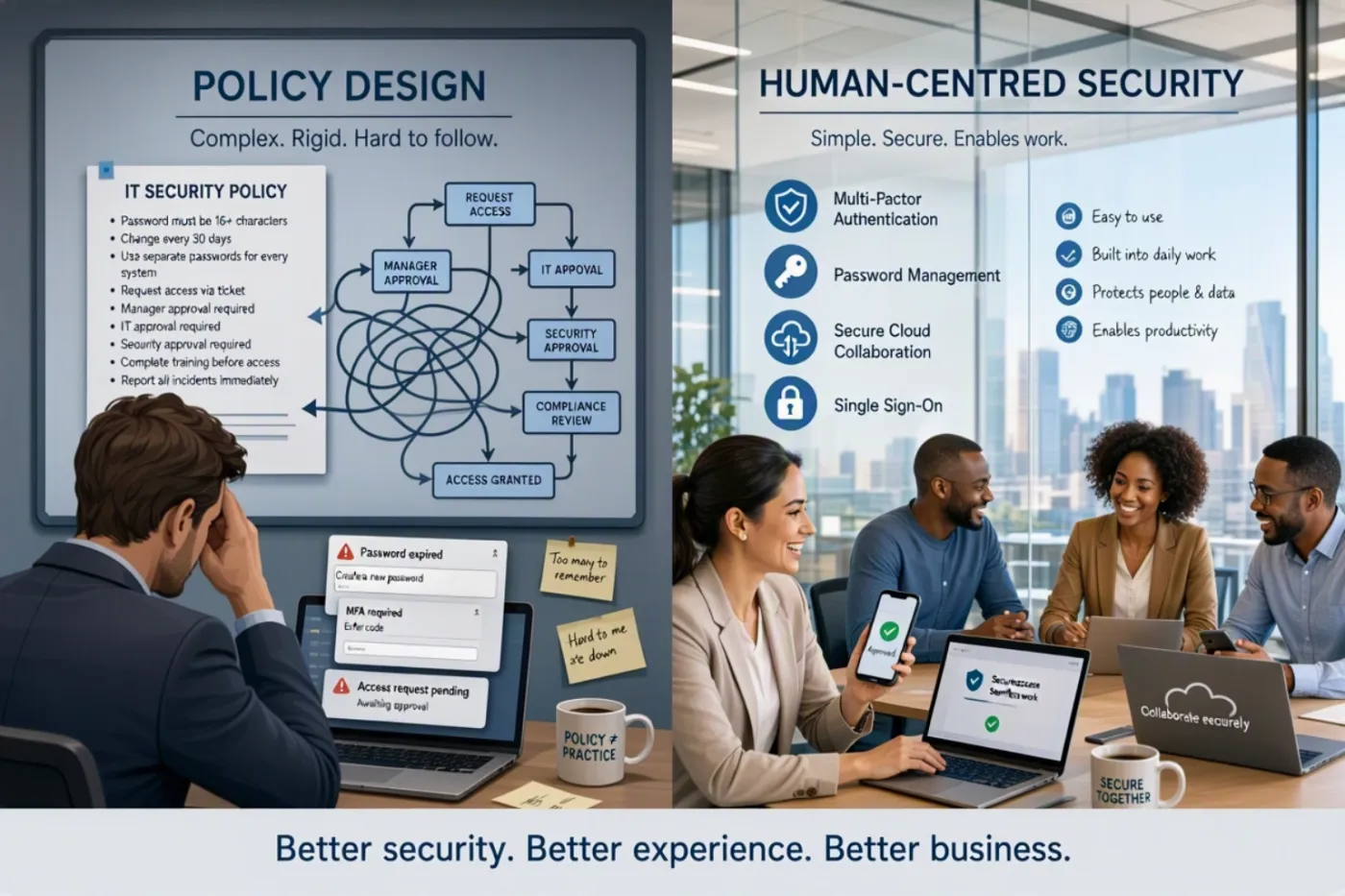
Organizations often put a considerable amount of effort into developing security and compliance frameworks. However, if policies are overly complex, restrictive, or disconnected from everyday operations, they can lead to workarounds, shadow IT, and decreased compliance. Effective IT governance demands policies that align with human behavior, support business objectives, and make secure practices the simplest choice. Ultimately, the success of a policy should be evaluated not by how well it is written, but by how consistently it is followed.
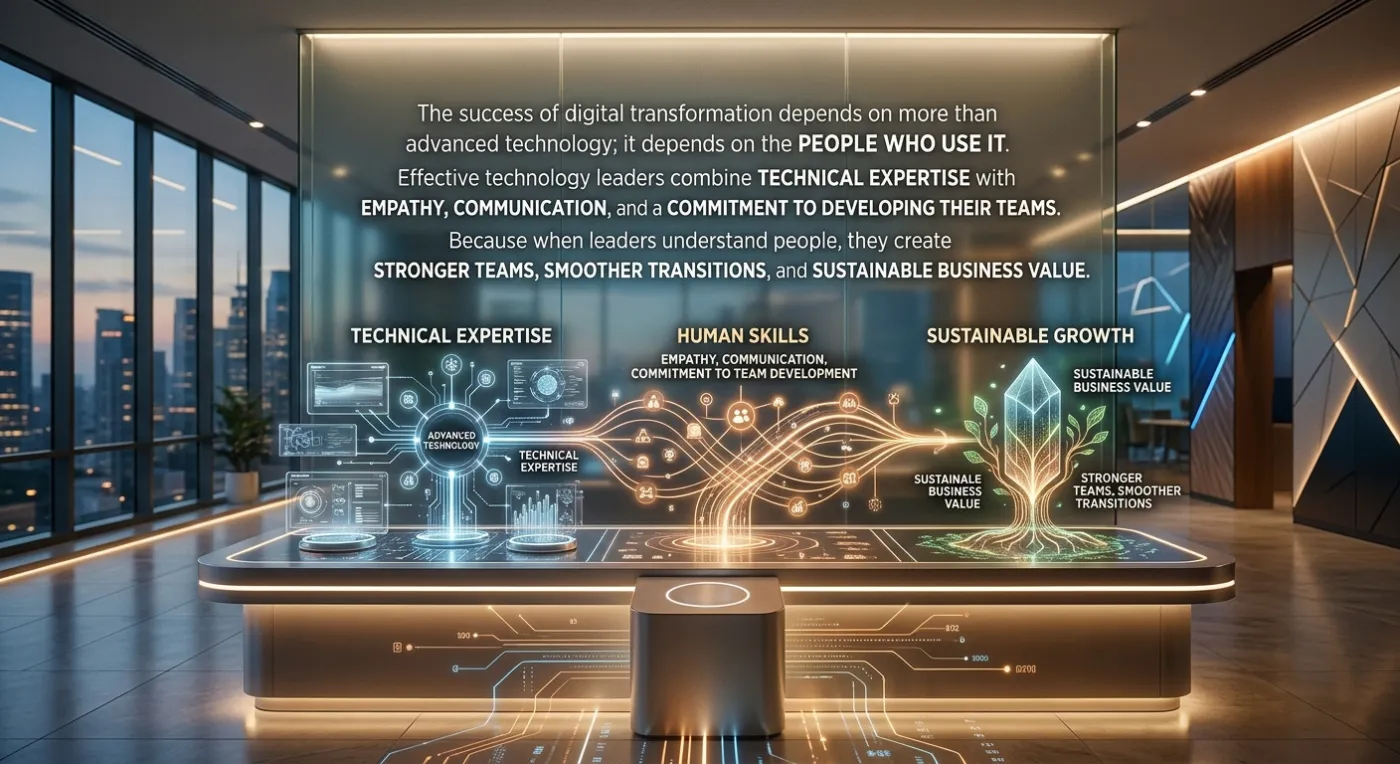
The success of digital transformation depends on more than advanced technology; it depends on the people who use it. Effective technology leaders combine technical expertise with empathy, communication, and a commitment to developing their teams. Because when leaders understand people, they create stronger teams, smoother transitions, and sustainable business value.