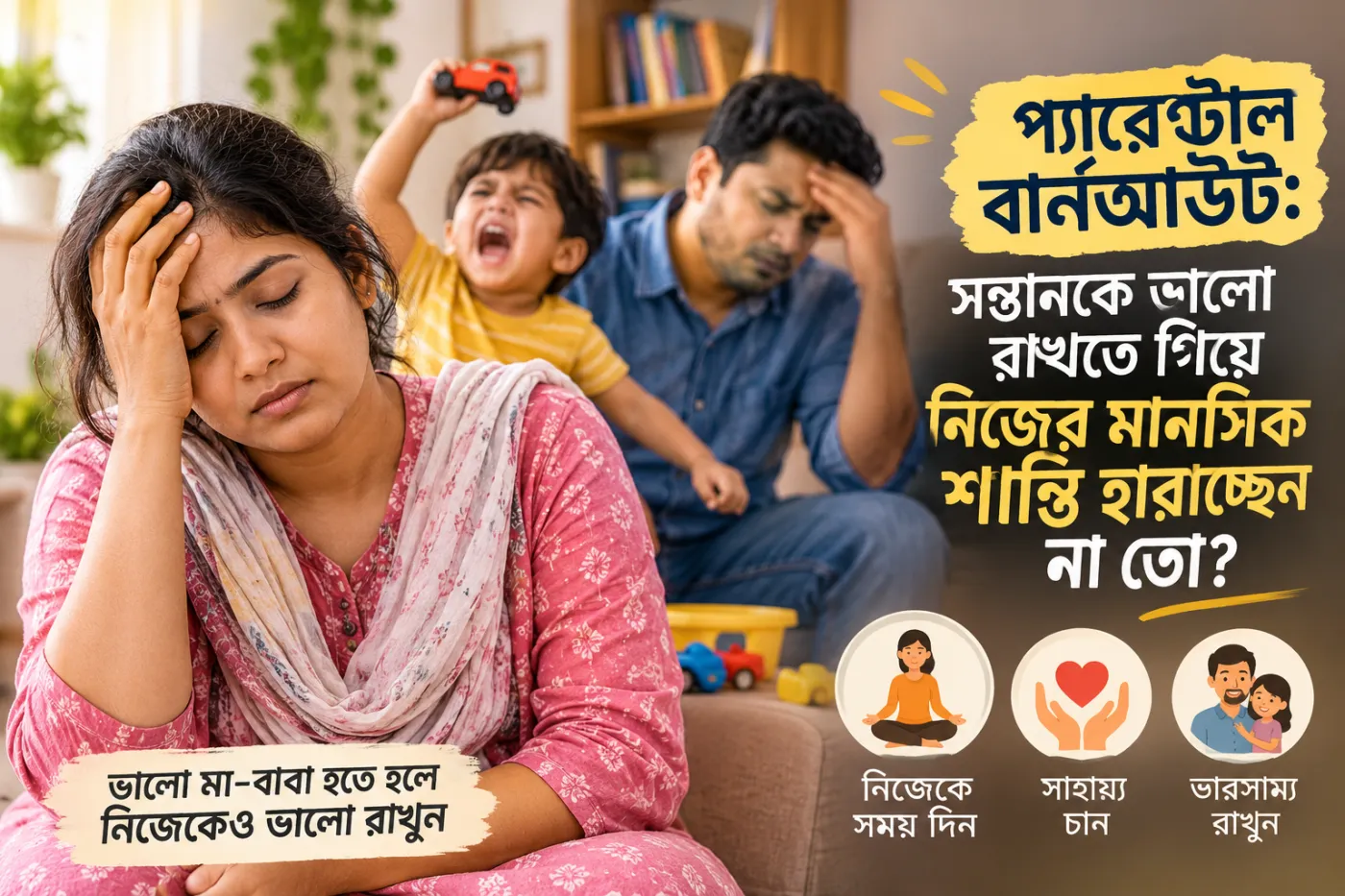
সন্তানকে বড় করতে গিয়ে কখনো কি নিজের ধৈর্য, মানসিক শান্তি আর ব্যক্তিগত সময় হারিয়ে ফেলছেন? সন্তানের কান্না, জেদ, দুষ্টুমি ও প্রতিদিনের দায়িত্ব সামলাতে গিয়ে মা-বাবারাও মানসিকভাবে ক্লান্ত হয়ে পড়েন। এই দীর্ঘস্থায়ী ক্লান্তিই পরিচিত প্যারেন্টাল বার্নআউট নামে। জেনে নিন কেন এমন হয়, কীভাবে এর লক্ষণ চিনবেন এবং কীভাবে নিজের মানসিক সুস্থতা বজায় রেখে সন্তানের জন্য একটি সুন্দর ও ভালোবাসাপূর্ণ পরিবেশ তৈরি করবেন। মনে রাখবেন, ভালো মা-বাবা হতে হলে নিখুঁত হতে হয় না, নিজের যত্ন নেওয়াটাও সন্তানের যত্নের অংশ।
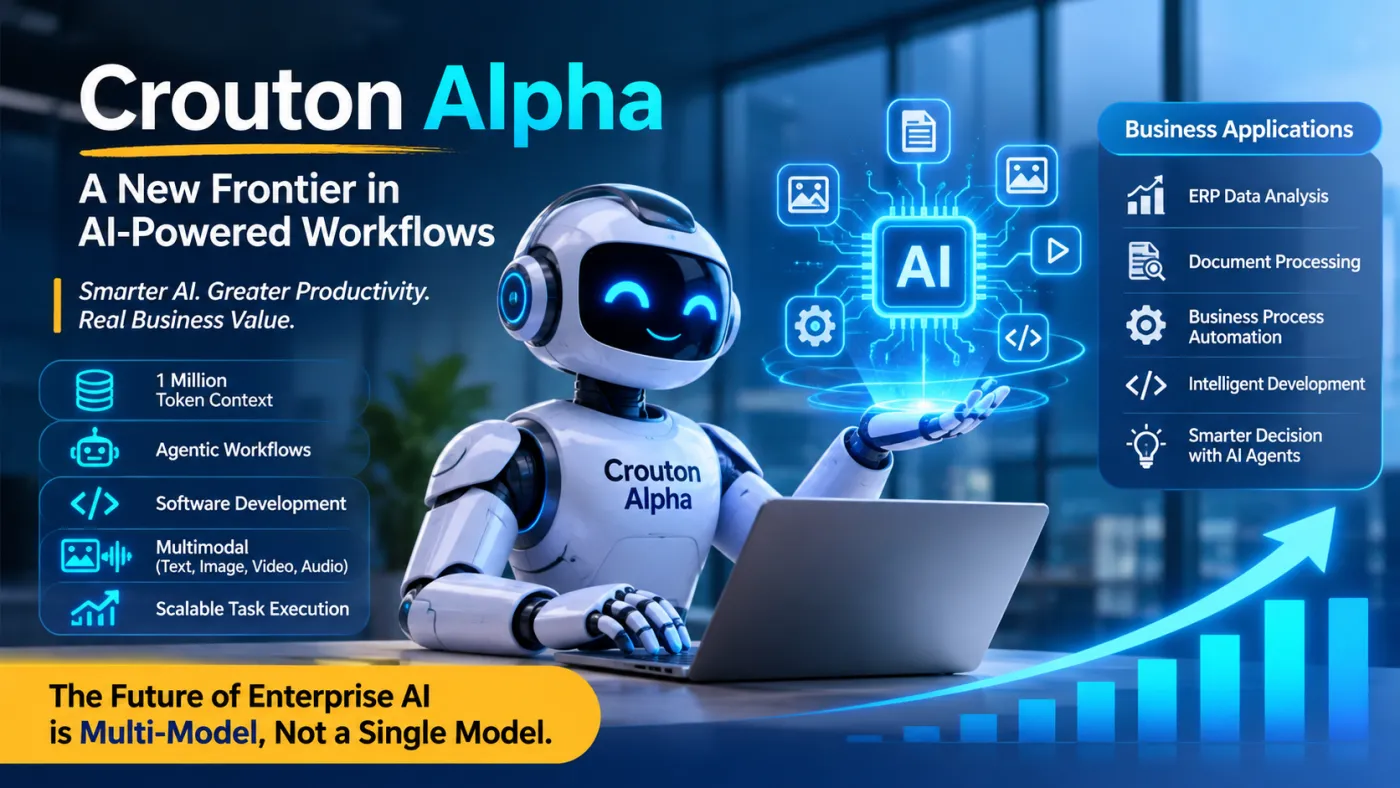
Crouton Alpha-এর মতো নতুন AI মডেল কৃত্রিম বুদ্ধিমত্তার ভবিষ্যৎ সম্ভাবনাকে আরও বিস্তৃত করছে। Agentic AI, স্বয়ংক্রিয় কর্মপ্রবাহ, সফটওয়্যার ডেভেলপমেন্ট এবং ব্যবসায়িক তথ্য বিশ্লেষণের মাধ্যমে কীভাবে AI প্রতিষ্ঠানের কার্যক্ষমতা ও উৎপাদনশীলতা বাড়াতে পারে, তা নিয়ে জানুন বিস্তারিত।
ইসলামে মানুষের মর্যাদা কখনো ধন-সম্পদ, সামাজিক অবস্থান কিংবা ক্ষমতা দিয়ে নির্ধারিত হয় না; বরং প্রকৃত মর্যাদার মাপকাঠি হলো ঈমান, তাকওয়া ও সৎকর্ম। মসজিদের নামাজের কাতার এই সাম্যের এক অনন্য দৃষ্টান্ত, যেখানে ধনী-গরিব, কর্মকর্তা-শ্রমিক সবাই একই কাতারে পাশাপাশি দাঁড়িয়ে একই আল্লাহর কাছে সিজদা করেন। দুনিয়া মানুষকে সম্পদের ভিত্তিতে আলাদা করতে পারে, কিন্তু আল্লাহর কাছে শ্রেষ্ঠ সেই ব্যক্তি, যিনি সবচেয়ে বেশি তাকওয়াবান।
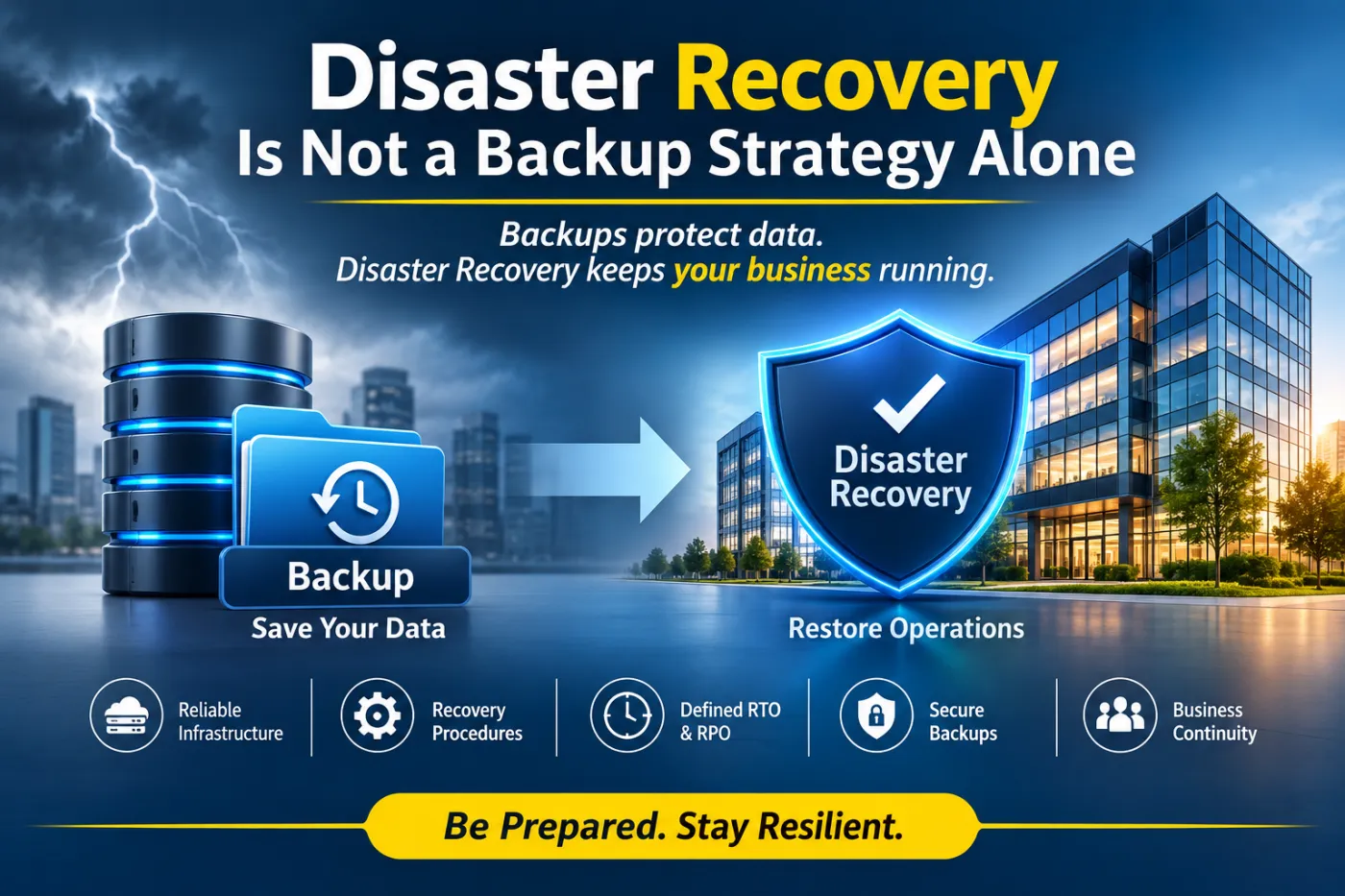
Disaster recovery is more than maintaining regular data backups. It is about ensuring that critical systems, applications, infrastructure, and business operations can be restored within acceptable timeframes when unexpected disruptions occur. A resilient organization prepares not just to protect its data, but to keep its business running.
Many organisations invest heavily in advanced cybersecurity tools, yet they frequently overlook one of the simplest security controls: regular access reviews. Over time, as employees shift roles and external contractors conclude their work, unmonitored privileges accumulate, leaving dormant or excessive permissions open. Technology and identity management systems alone cannot mitigate this risk; proactive governance is essential to constantly evaluate not just who holds access, but whether that access remains appropriate.
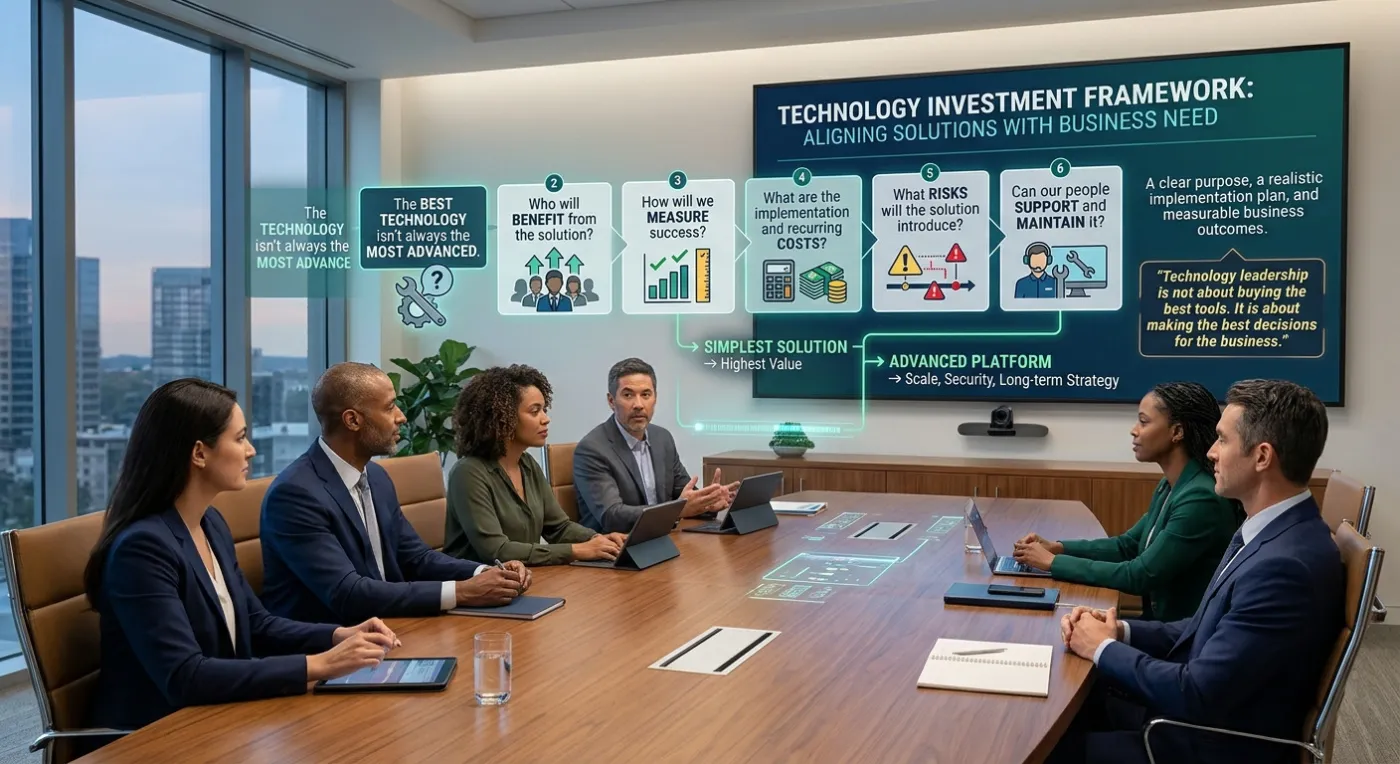
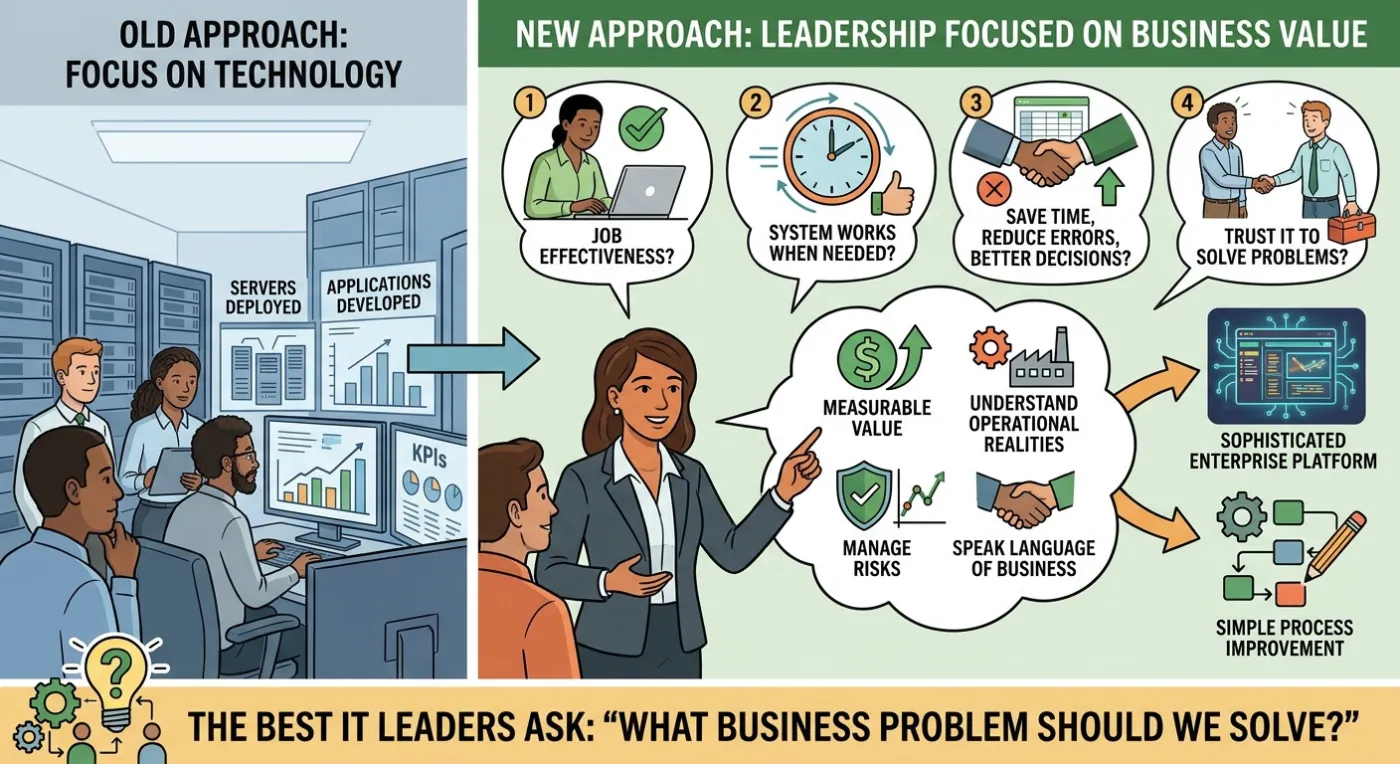
Technology leadership is not about buying the best tools—it is about making the best decisions for the business. An impressive solution can still be a poor investment if it lacks a clear purpose, a realistic implementation plan, and measurable outcomes. Whether adopting a simple tool or an advanced platform, IT investments must be driven strictly by business needs, organizational readiness, and value delivery—not product popularity.
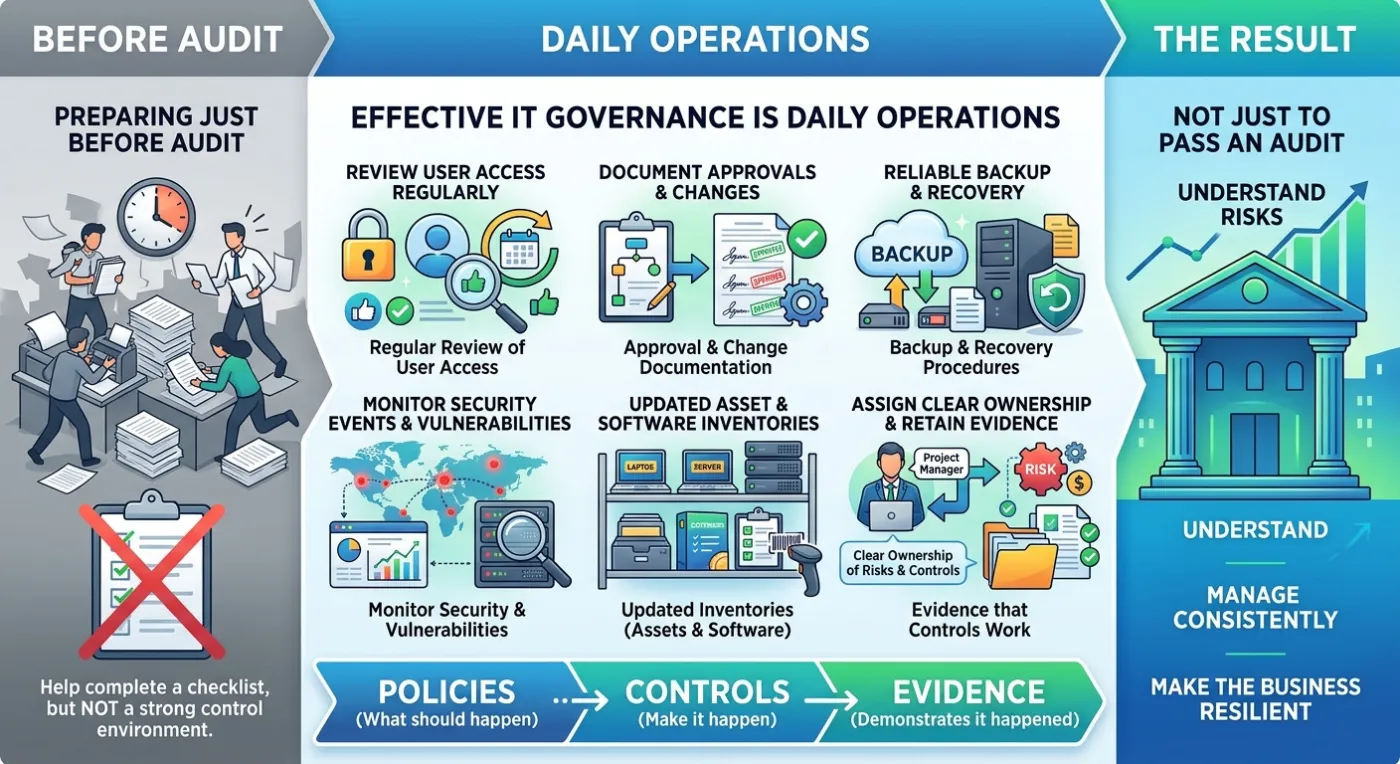
Effective IT governance is woven into the fabric of daily operations rather than assembled in a frantic scramble right before an audit. True control environments are built through consistent practices—such as regular user access reviews, meticulous approval documentation, reliable backup procedures, and clear risk ownership—transforming governance from a compliance checklist into an engine for operational resilience.
When technology is not the company's core business, employees don't measure IT success by the number of servers deployed or applications developed. They measure it by something much simpler: Can they do their jobs effectively? Does the system work when they need it? Does technology help them save time, reduce errors, and make better decisions? Can they trust IT to solve problems?
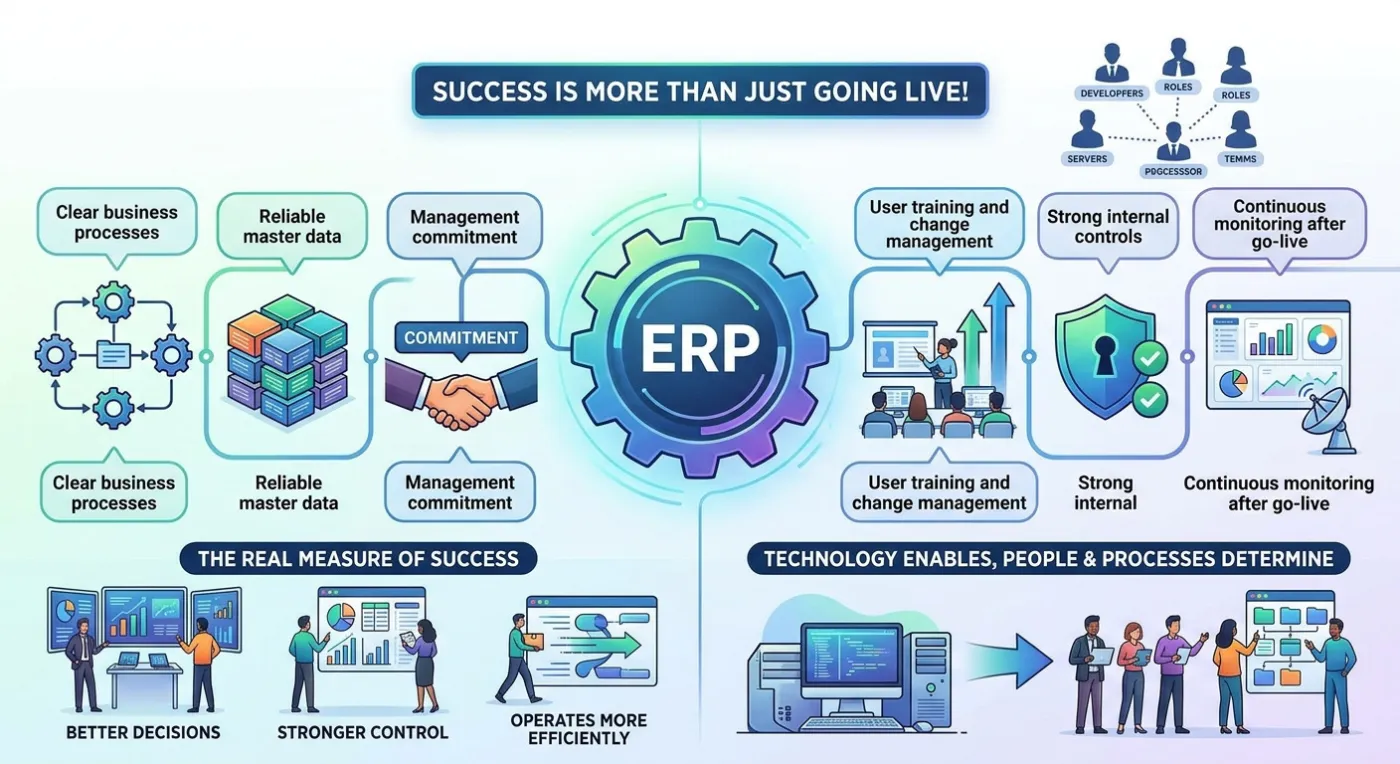
Going live is not the goal—business transformation is. A truly successful ERP implementation isn’t defined by software installation, but by clear processes, reliable data, and driving smarter decision-making across the organization.