
ERP Implementation Is Not an IT Project. It Is a Business Transformation
Going live is not the goal—business transformation is. A truly successful ERP implementation isn’t defined by software installation, but by clear processes, reliable data, and driving smarter decision-making across the organization.
· 1 min read
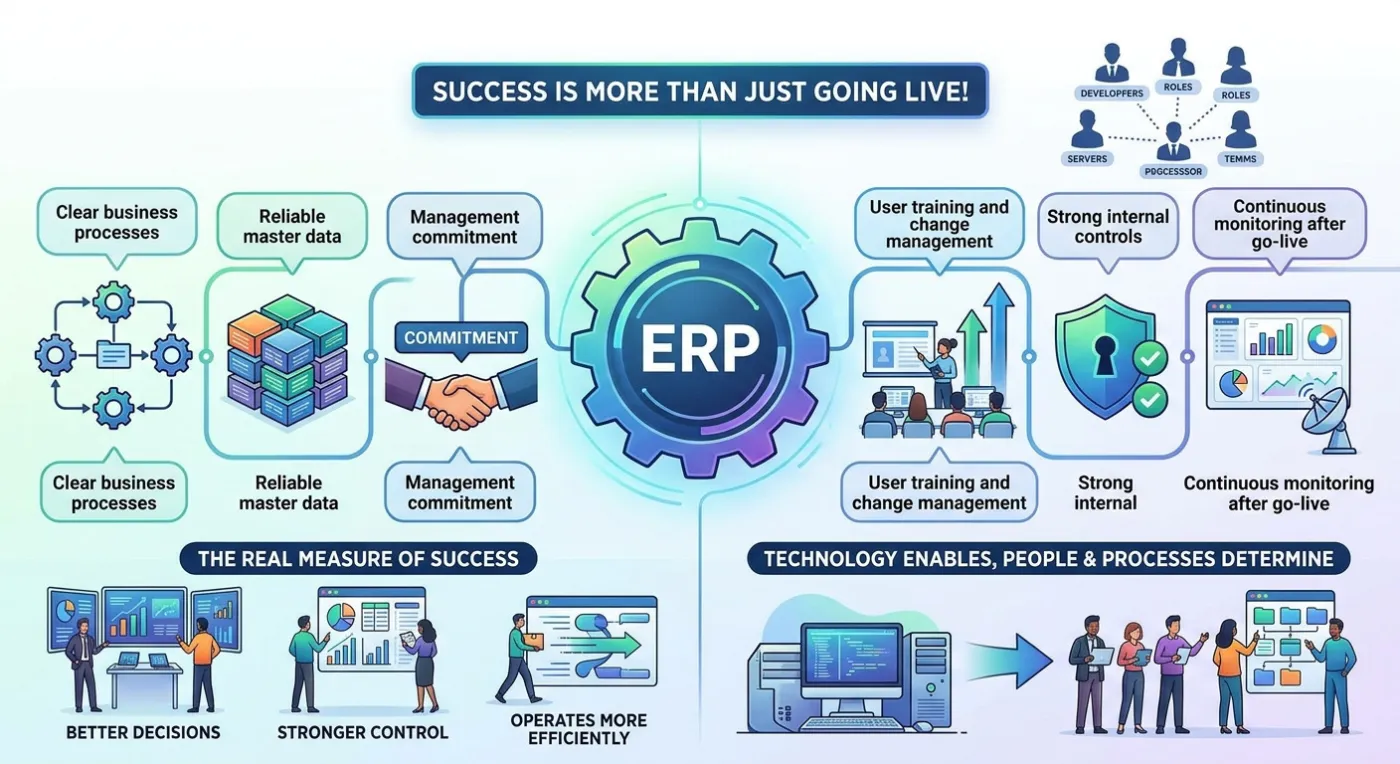
One of the biggest misconceptions about ERP implementation is that success means installing the software and going live.
It doesn't.
A successful ERP implementation requires much more than technology.
It requires:
→ Clear business processes.
→ Reliable master data.
→ Management commitment.
→ Defined roles and responsibilities.
→ User training and change management.
→ Strong internal controls.
→ Continuous monitoring after go-live.
Even the best ERP system will struggle if business processes are unclear or employees continue working outside the system.
Technology enables the transformation, but people and processes determine its success.
The real measure of ERP success is not whether the system is live. It is whether the organization makes better decisions, exercises stronger control, and operates more efficiently.
For those who have implemented ERP systems, what was your biggest challenge: technology, processes, data, or people?
Share
Keep reading
Related articles

· 6 min read
Automation Should Eliminate Business Friction, Not Just Manual Work
Automation is not just about reducing manual tasks; it is about eliminating the bottlenecks, unnecessary approvals, disconnected systems, and operational complexities that slow businesses down. True automation simplifies processes, connects people and technology, and enables organizations to focus on meaningful business outcomes rather than administrative activities.
Digital Transformation
· 1 min read
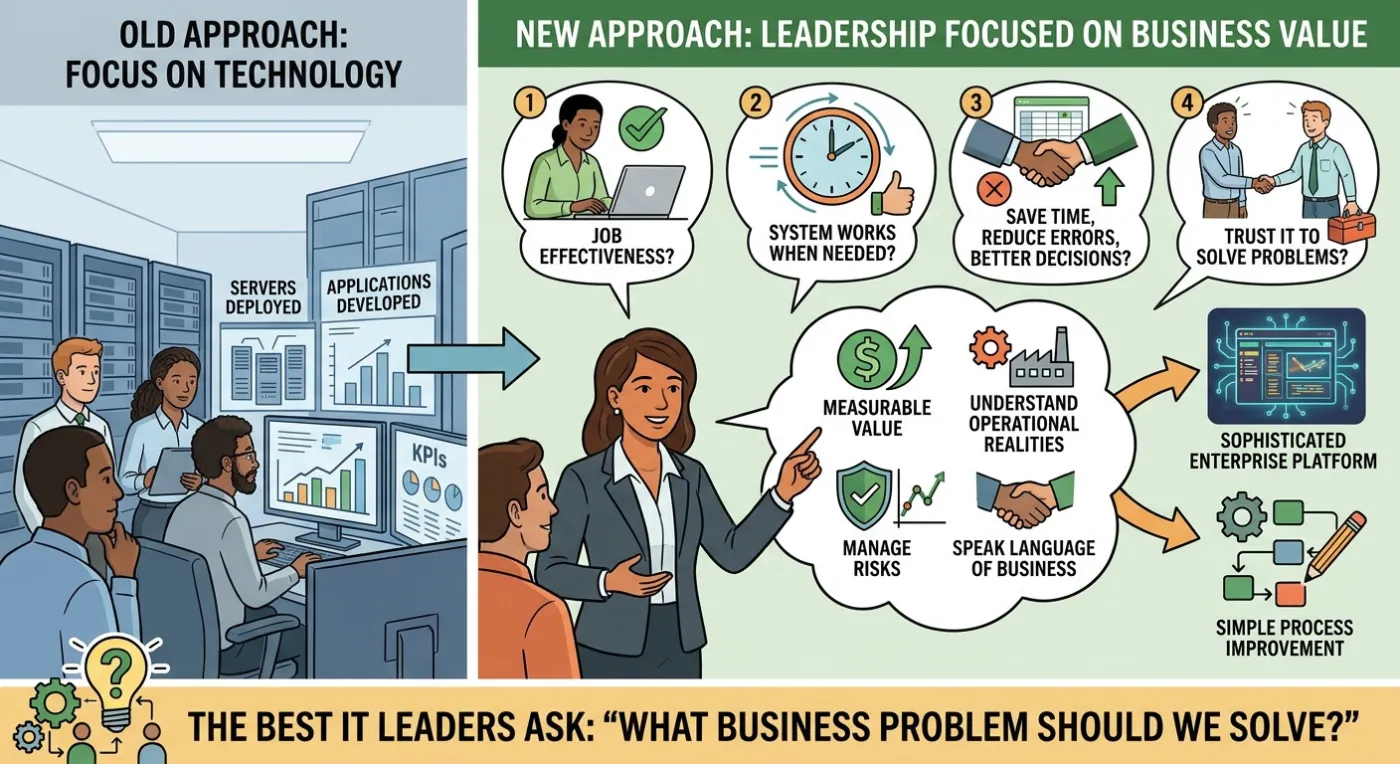
Managing IT in a Non-Technical Organization Requires a Different Kind of Leadership
When technology is not the company's core business, employees don't measure IT success by the number of servers deployed or applications developed. They measure it by something much simpler: Can they do their jobs effectively? Does the system work when they need it? Does technology help them save time, reduce errors, and make better decisions? Can they trust IT to solve problems?
IT leadership
· 2 min read
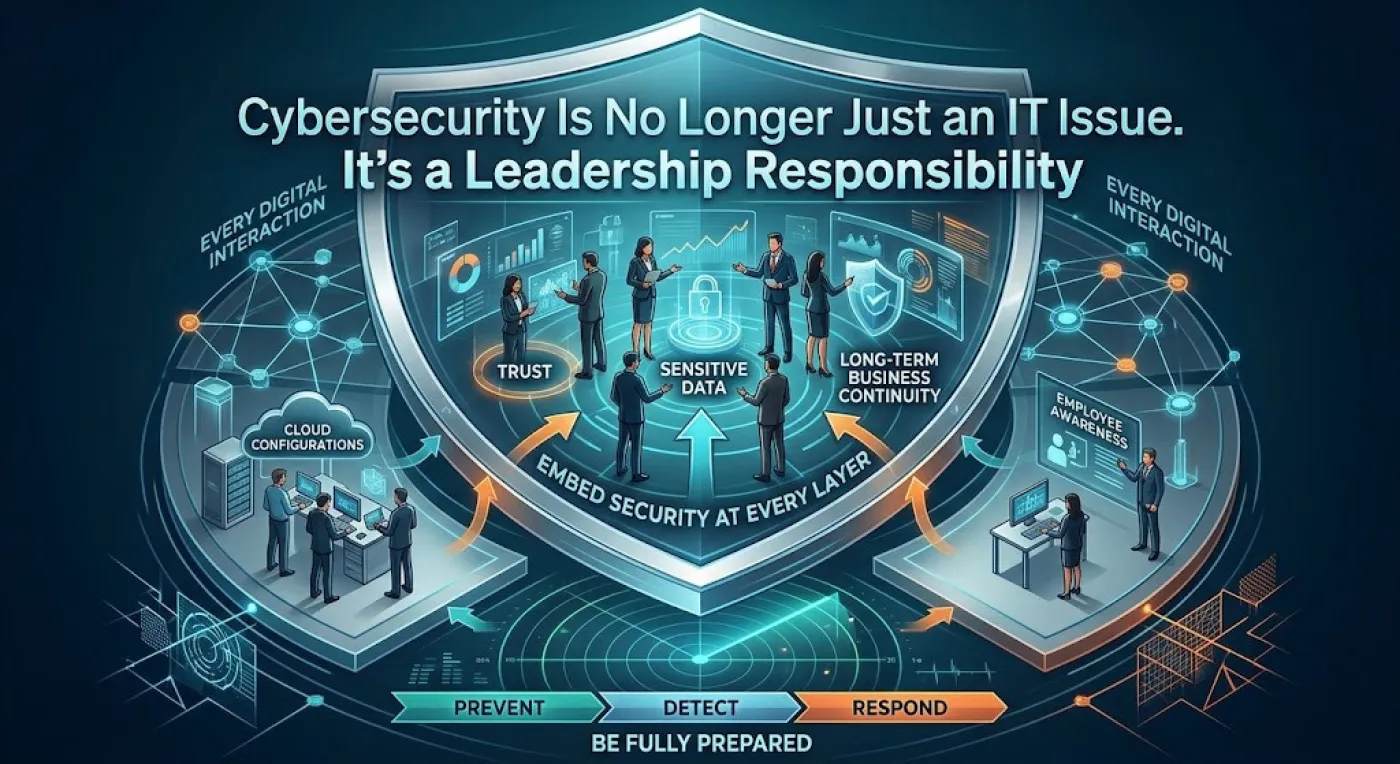
Cybersecurity Is No Longer Just an IT Issue. It’s a Leadership Responsibility
For modern organizations, cybersecurity is no longer just about keeping systems operational—it is about protecting trust, sensitive data, and long-term business continuity. Because every digital interaction introduces potential privacy risks, enterprises must embed security into every layer of their operations, from cloud configurations to employee awareness. The fundamental challenge for IT leaders is not predicting if a cyber threat will occur, but ensuring the organization is fully prepared to prevent, detect, and respond when it does.
Cybersecurity & Governance