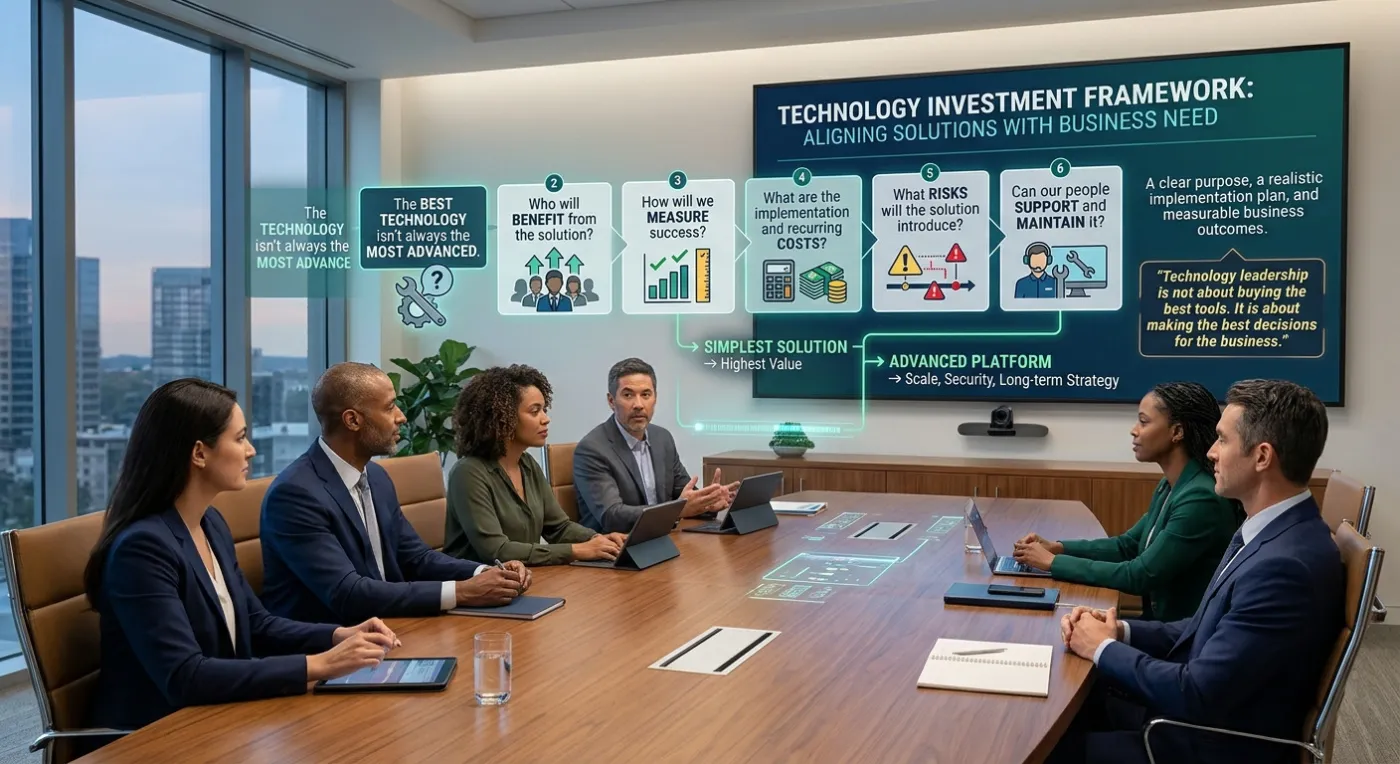
Technology leadership is not about buying the best tools—it is about making the best decisions for the business. An impressive solution can still be a poor investment if it lacks a clear purpose, a realistic implementation plan, and measurable outcomes. Whether adopting a simple tool or an advanced platform, IT investments must be driven strictly by business needs, organizational readiness, and value delivery—not product popularity.
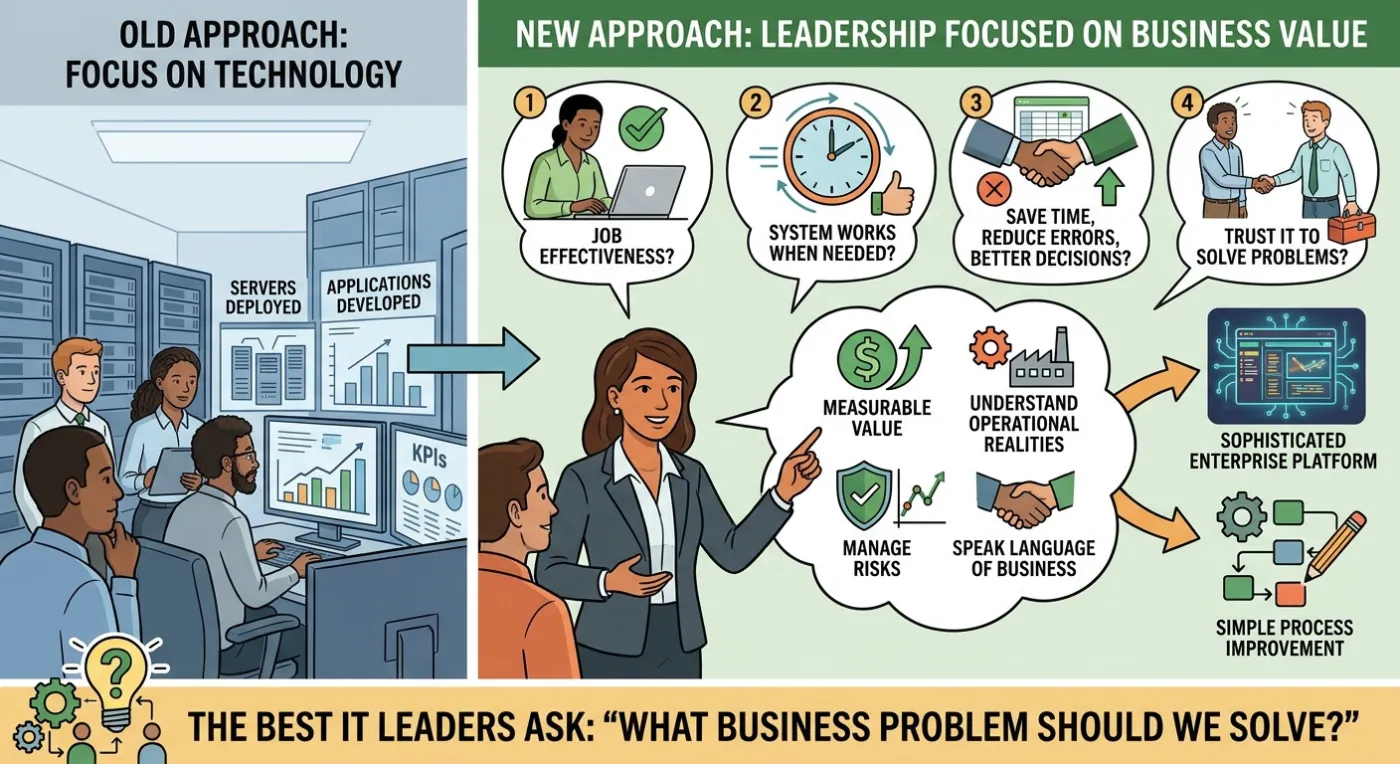
When technology is not the company's core business, employees don't measure IT success by the number of servers deployed or applications developed. They measure it by something much simpler: Can they do their jobs effectively? Does the system work when they need it? Does technology help them save time, reduce errors, and make better decisions? Can they trust IT to solve problems?
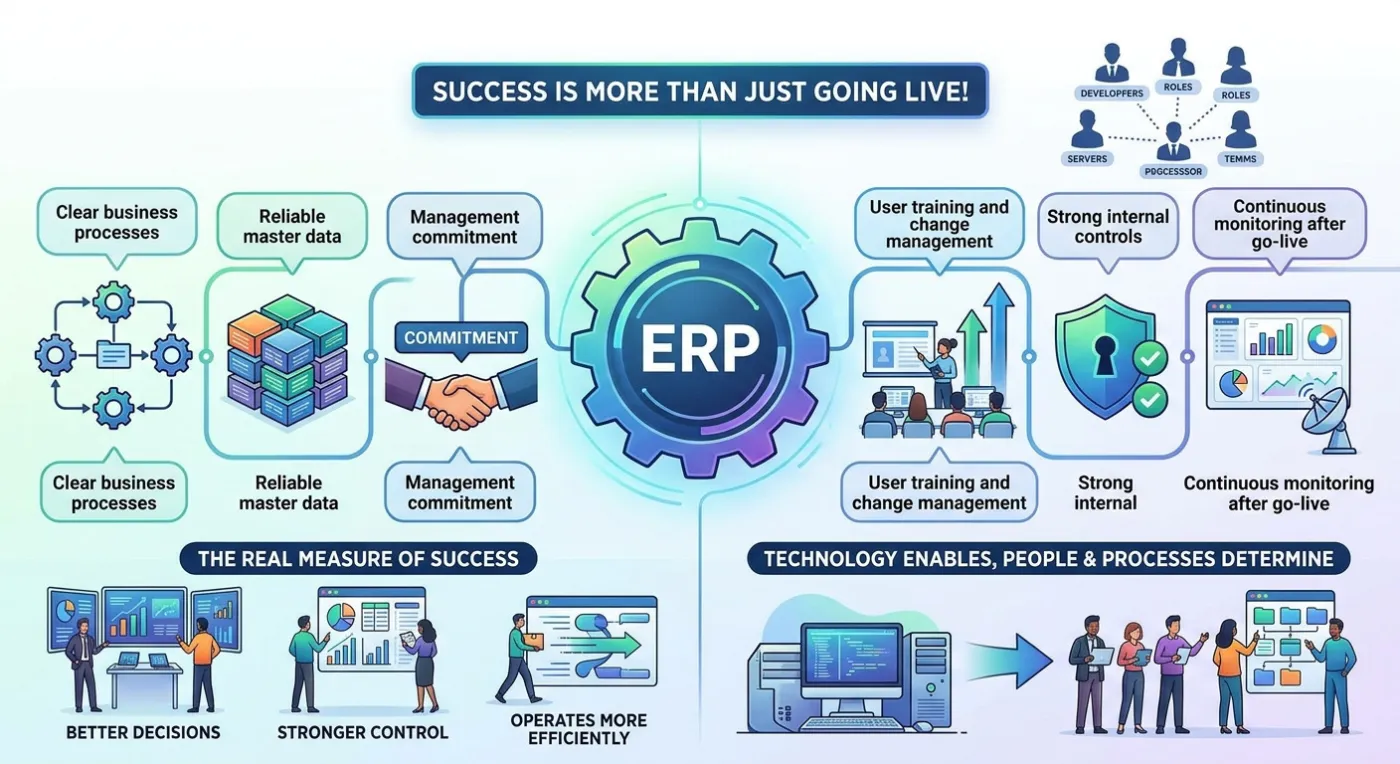
Going live is not the goal—business transformation is. A truly successful ERP implementation isn’t defined by software installation, but by clear processes, reliable data, and driving smarter decision-making across the organization.
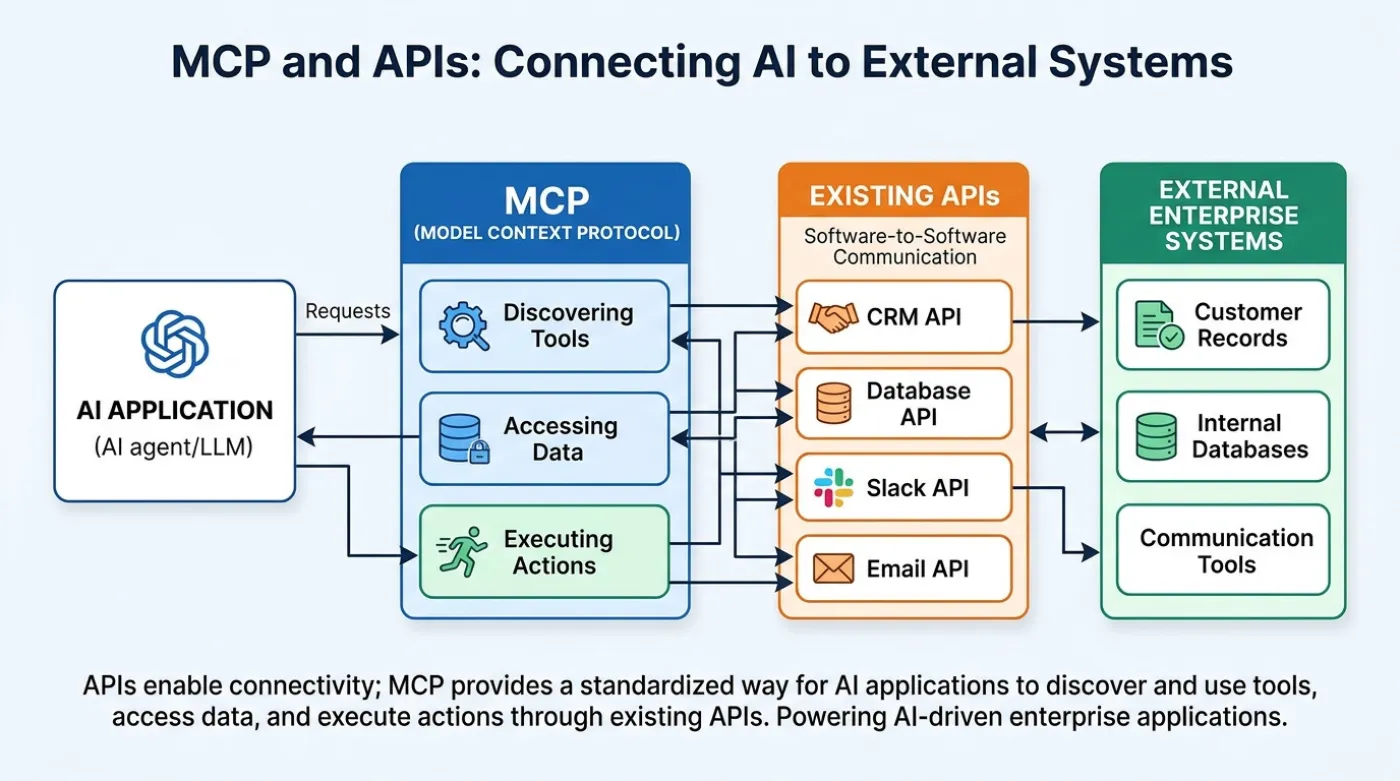
MCP (Model Context Protocol) and APIs work together to connect AI applications with external systems. While APIs enable software-to-software communication, MCP provides a standardized way for AI applications to discover and use tools, access data, and execute actions through existing APIs. Learn how MCP and APIs power AI-driven enterprise applications.
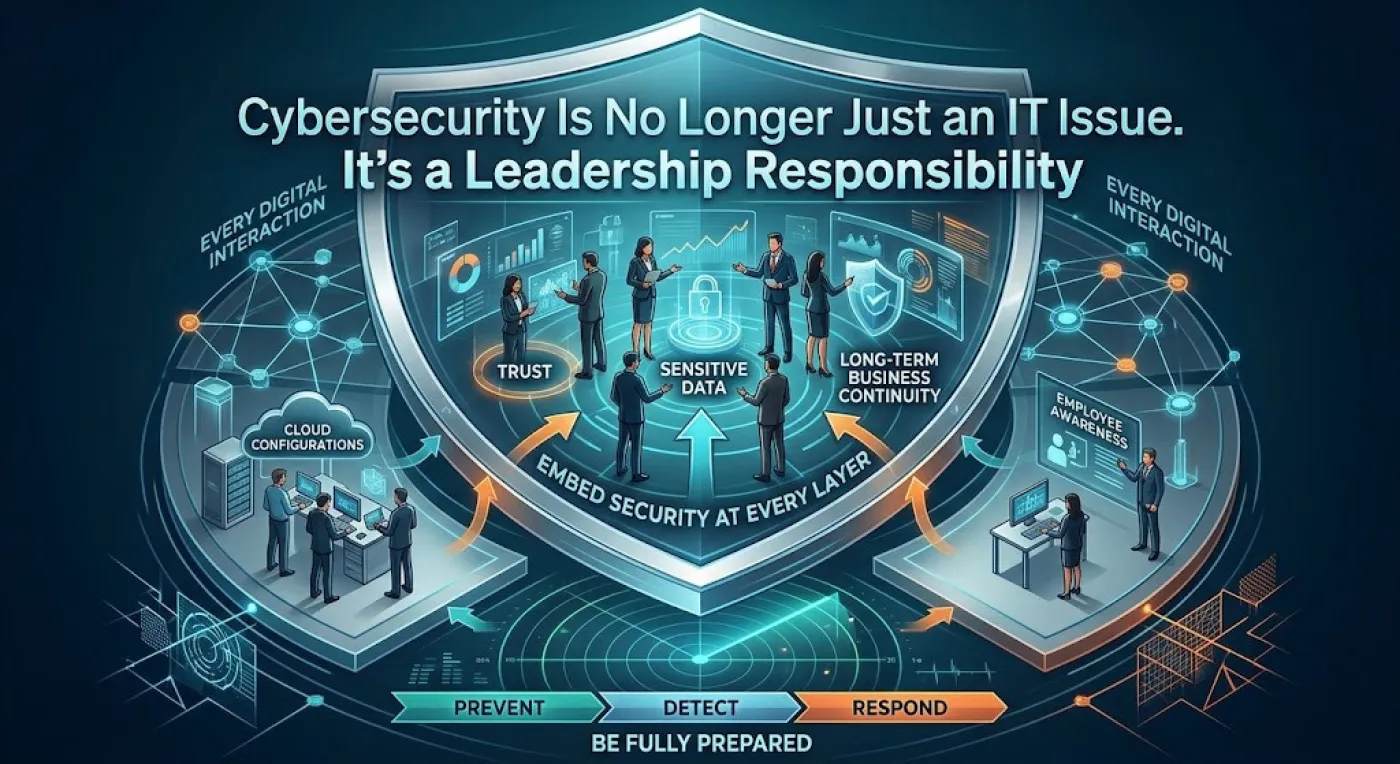
For modern organizations, cybersecurity is no longer just about keeping systems operational—it is about protecting trust, sensitive data, and long-term business continuity. Because every digital interaction introduces potential privacy risks, enterprises must embed security into every layer of their operations, from cloud configurations to employee awareness. The fundamental challenge for IT leaders is not predicting if a cyber threat will occur, but ensuring the organization is fully prepared to prevent, detect, and respond when it does.
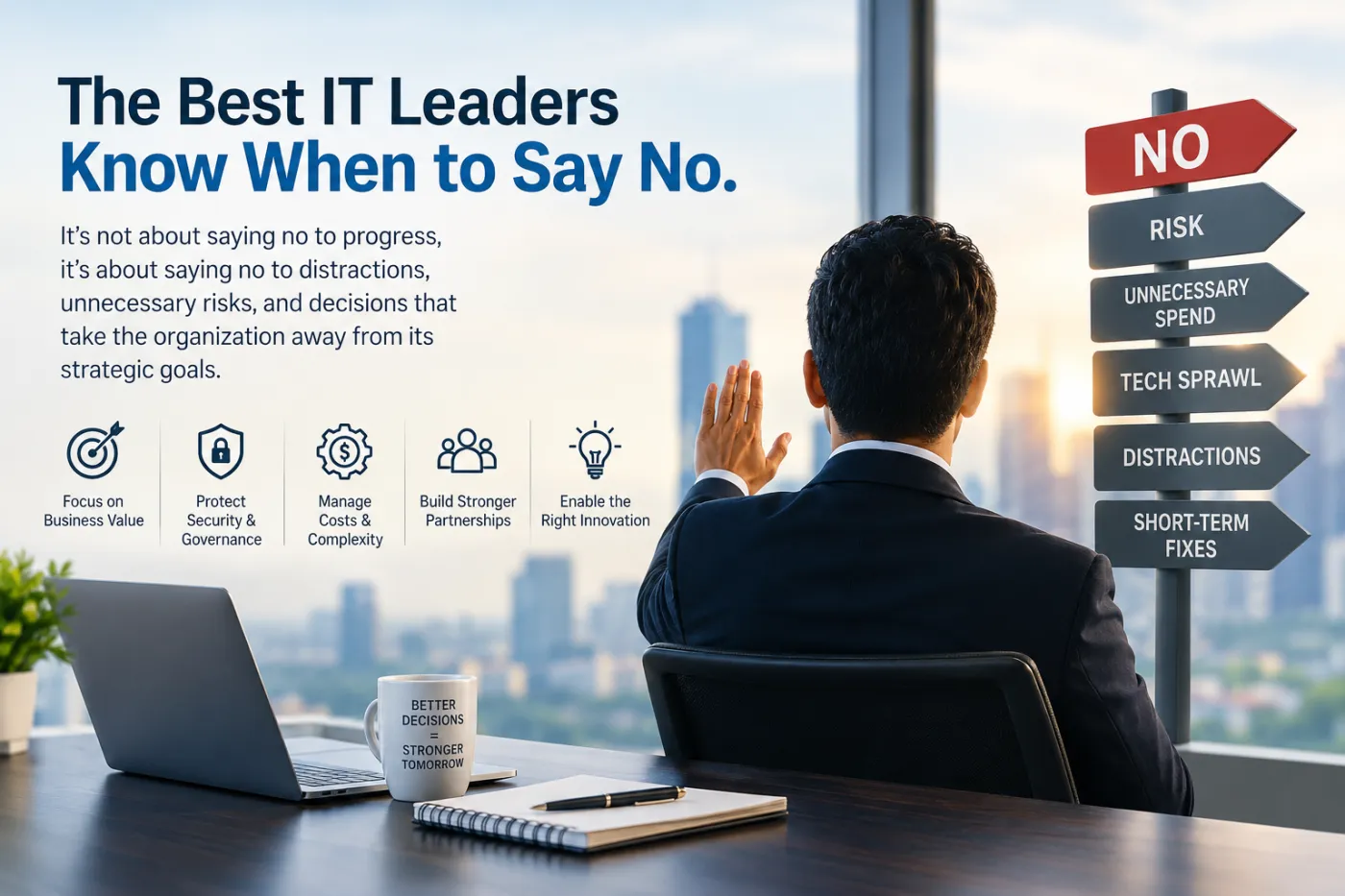
The best IT leaders know that saying yes to everything is not effective leadership. True leadership means prioritizing business value, managing risks, and allocating resources strategically. Sometimes, the most valuable decision is to decline another request to protect the organization's long-term goals. Great IT leaders don't just enable technology; they make technology decisions that drive business success.
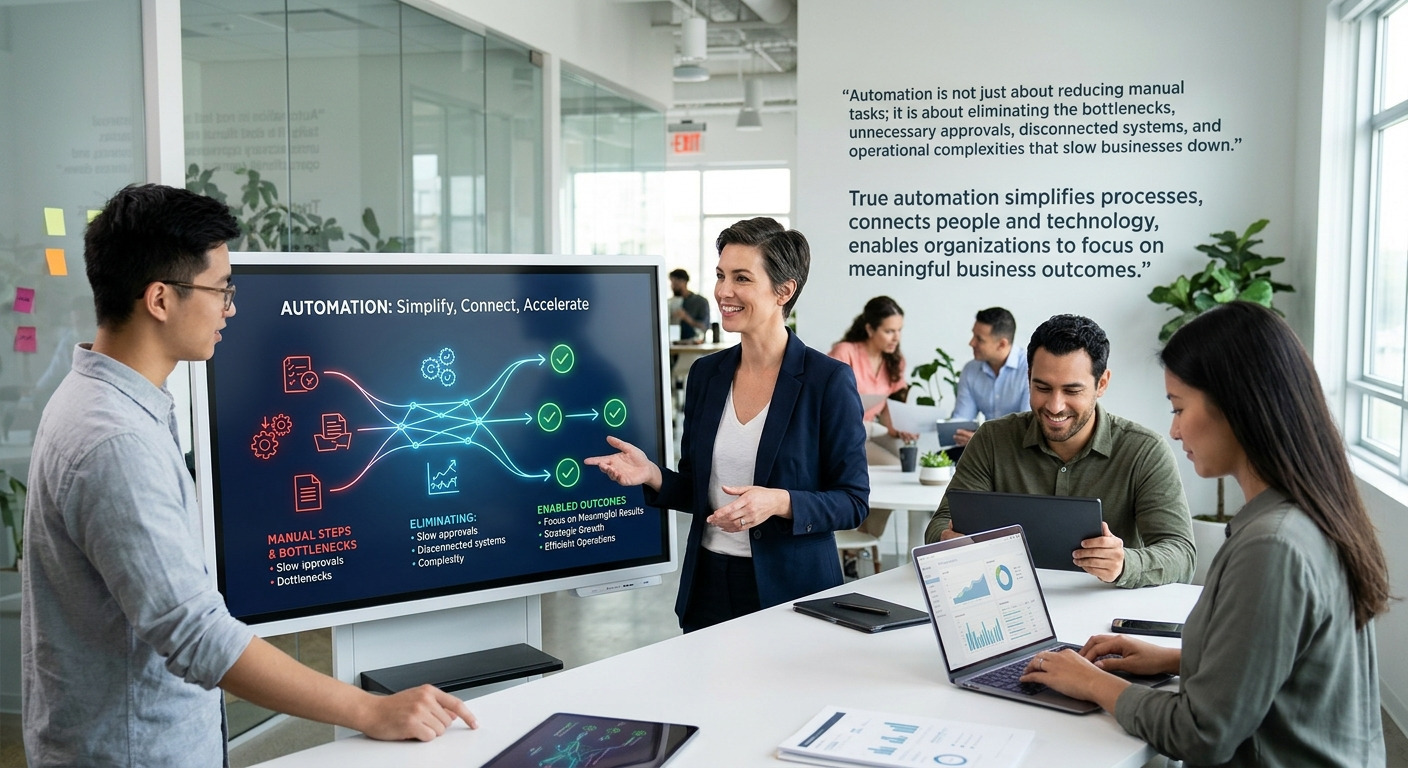
Automation is not just about reducing manual tasks; it is about eliminating the bottlenecks, unnecessary approvals, disconnected systems, and operational complexities that slow businesses down. True automation simplifies processes, connects people and technology, and enables organizations to focus on meaningful business outcomes rather than administrative activities.