Many organisations invest heavily in advanced cybersecurity tools, yet they frequently overlook one of the simplest security controls: regular access reviews. Over time, as employees shift roles and external contractors conclude their work, unmonitored privileges accumulate, leaving dormant or excessive permissions open. Technology and identity management systems alone cannot mitigate this risk; proactive governance is essential to constantly evaluate not just who holds access, but whether that access remains appropriate.
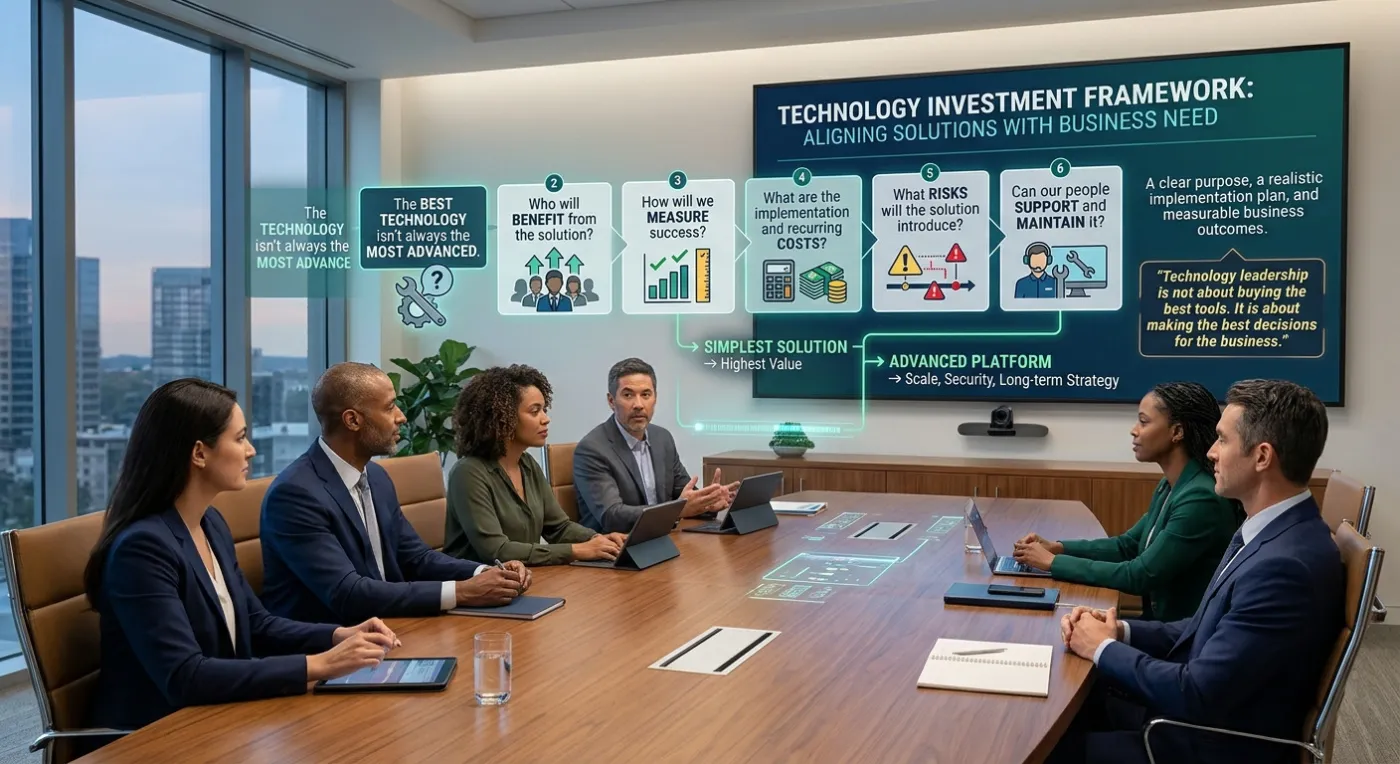
Technology leadership is not about buying the best tools—it is about making the best decisions for the business. An impressive solution can still be a poor investment if it lacks a clear purpose, a realistic implementation plan, and measurable outcomes. Whether adopting a simple tool or an advanced platform, IT investments must be driven strictly by business needs, organizational readiness, and value delivery—not product popularity.
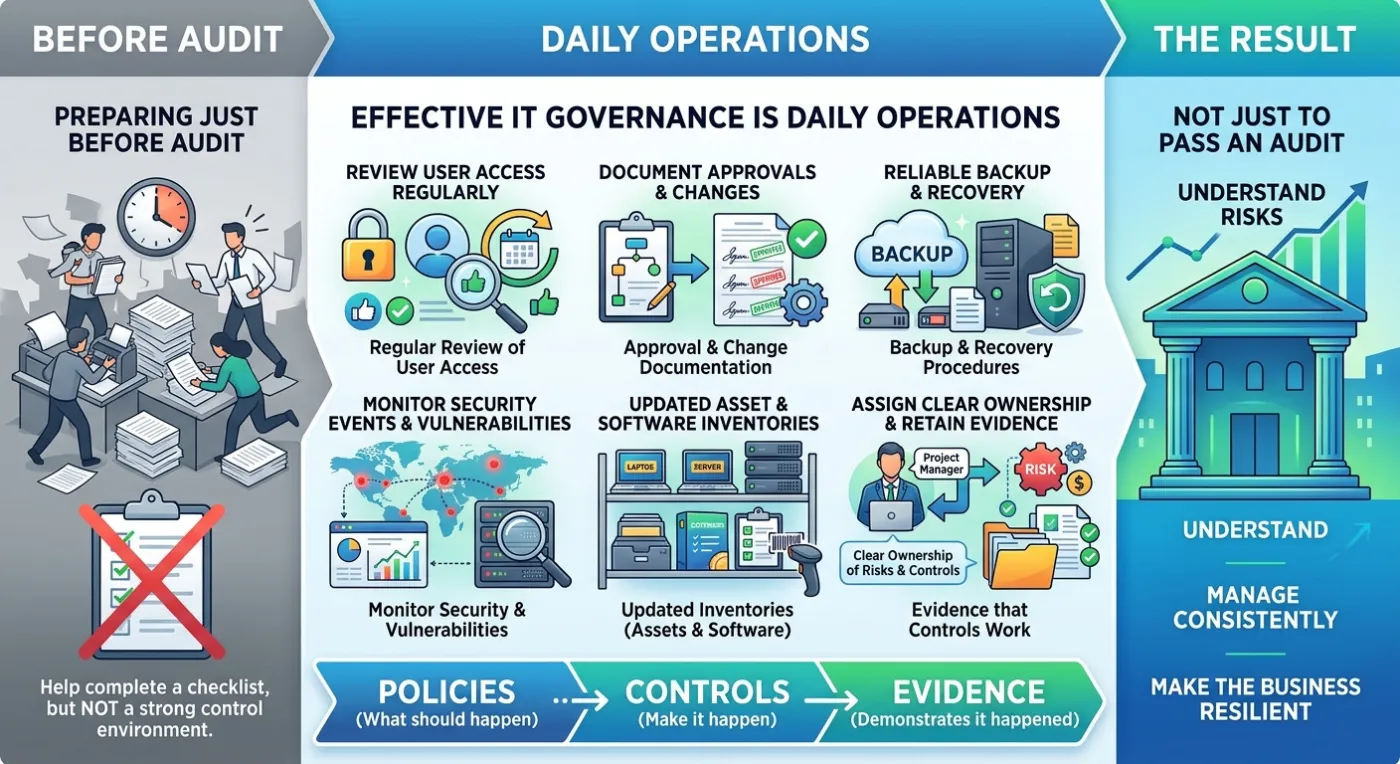
Effective IT governance is woven into the fabric of daily operations rather than assembled in a frantic scramble right before an audit. True control environments are built through consistent practices—such as regular user access reviews, meticulous approval documentation, reliable backup procedures, and clear risk ownership—transforming governance from a compliance checklist into an engine for operational resilience.
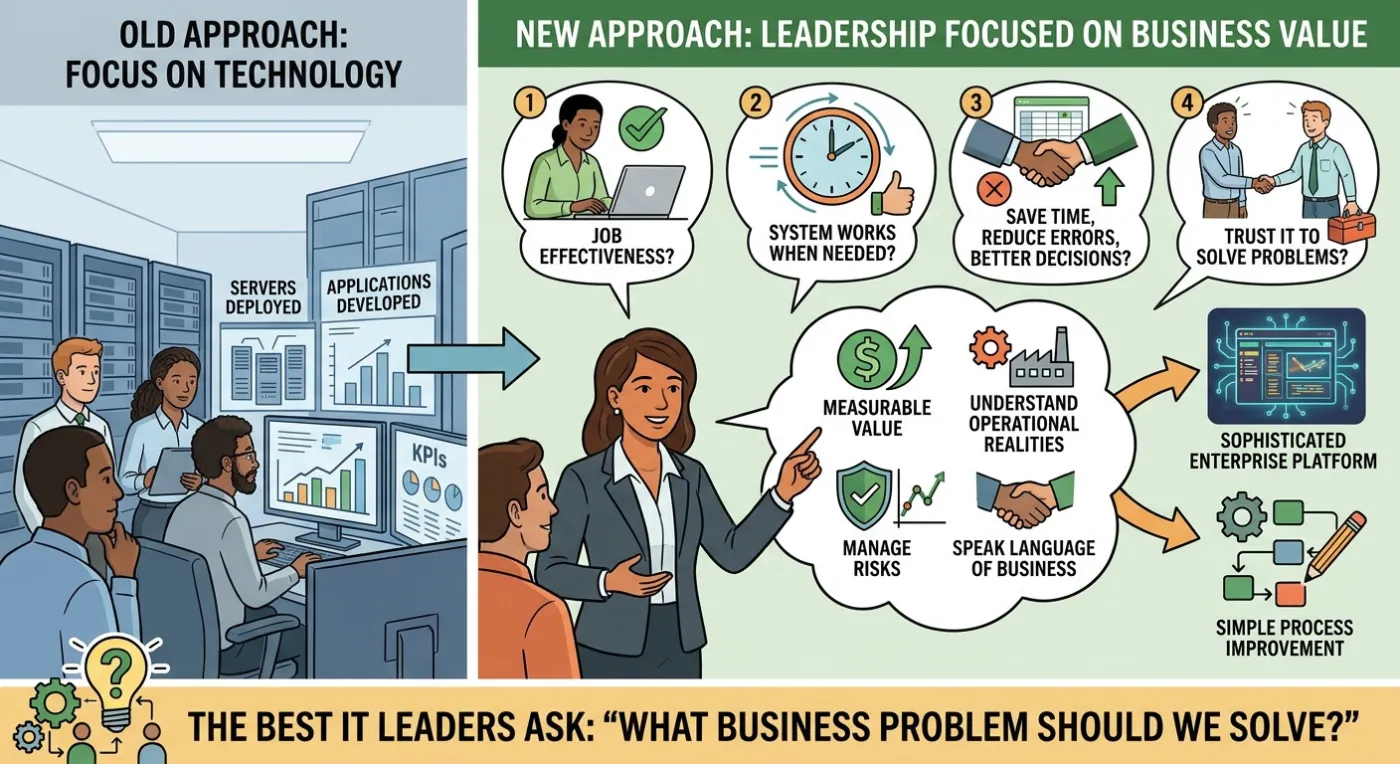
When technology is not the company's core business, employees don't measure IT success by the number of servers deployed or applications developed. They measure it by something much simpler: Can they do their jobs effectively? Does the system work when they need it? Does technology help them save time, reduce errors, and make better decisions? Can they trust IT to solve problems?
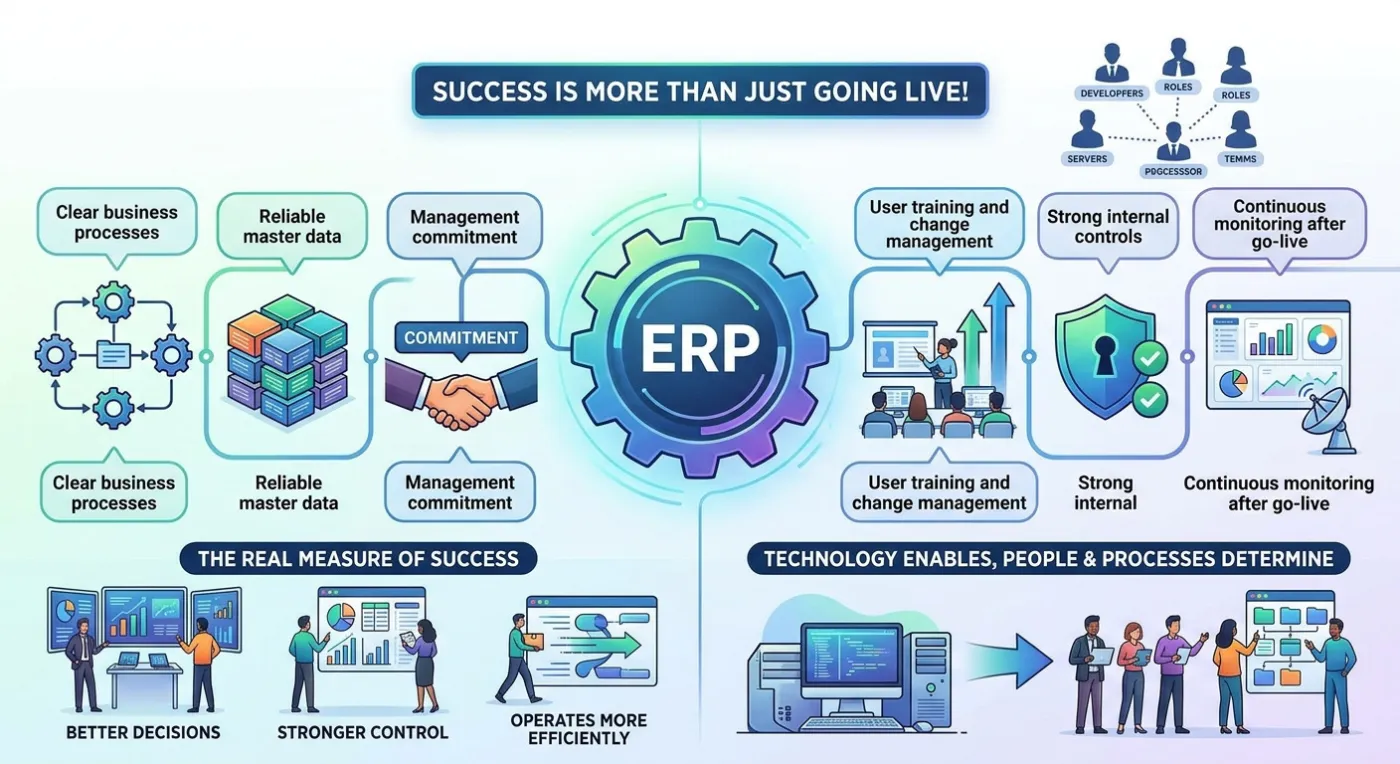
Going live is not the goal—business transformation is. A truly successful ERP implementation isn’t defined by software installation, but by clear processes, reliable data, and driving smarter decision-making across the organization.
True IT leadership isn’t about being the smartest person in the room or having every technical answer. It’s about asking the right questions, bridging the gap between technology and business strategy, and empowering team members to solve complex challenges independently. Real impact comes from taking accountability, sharing credit, and building resilient teams that thrive on continuous learning and ownership.
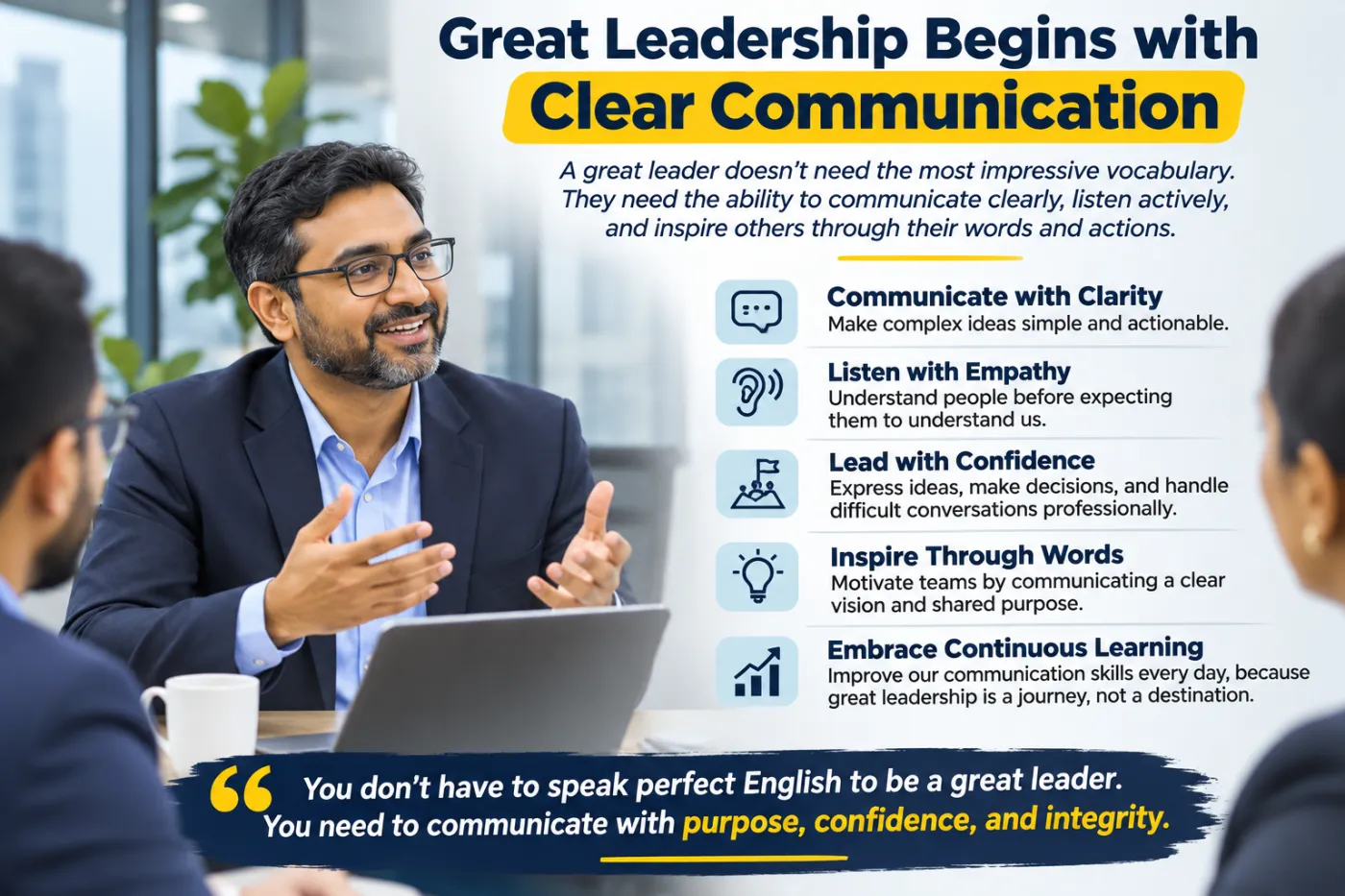
Great leadership begins with clear communication. Discover how clarity, empathy, confidence, and continuous learning help leaders inspire teams and build stronger professional relationships.
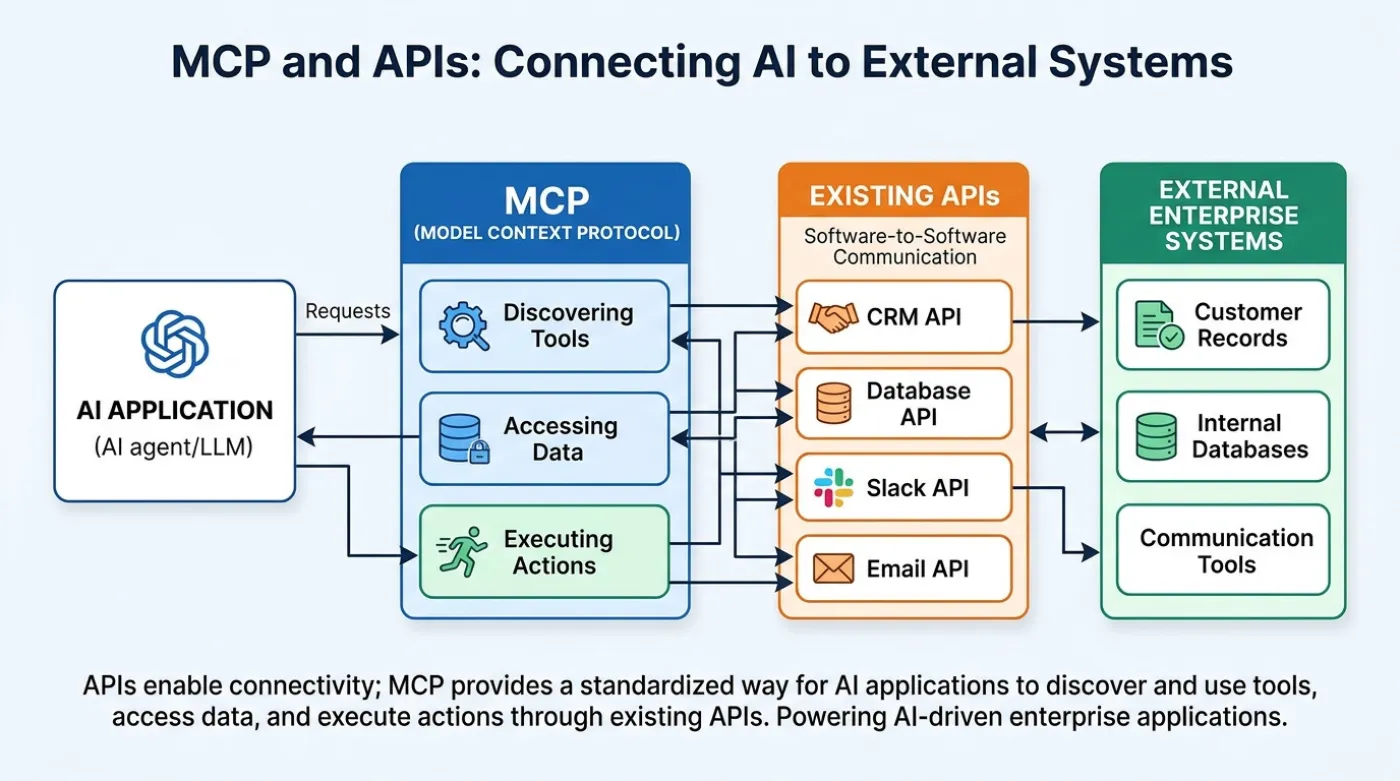
MCP (Model Context Protocol) and APIs work together to connect AI applications with external systems. While APIs enable software-to-software communication, MCP provides a standardized way for AI applications to discover and use tools, access data, and execute actions through existing APIs. Learn how MCP and APIs power AI-driven enterprise applications.
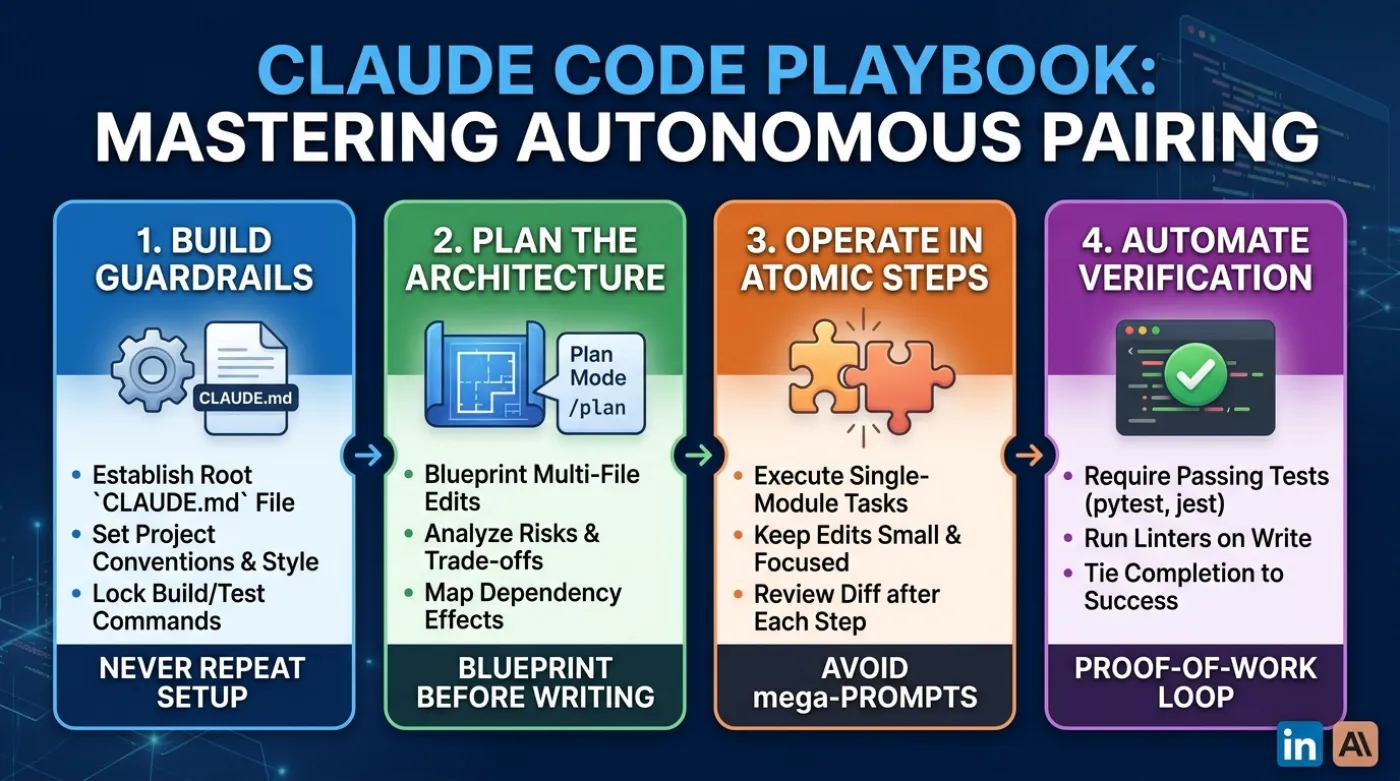
Most developers use Claude Code like a chat window with terminal access. The top 1% use it like an autonomous pairing partner. Here is the 4-step playbook to stop prompt-and-pray coding and start shipping production features safely.