Stop Overpaying for AI: How to Choose the Right Claude Model for the Job
Choosing the right AI model isn't about using the most powerful one—it's about matching task complexity to processing speed and cost. Anthropic’s Claude lineup (Haiku, Sonnet, Opus, and Fable) provides a clear framework for balancing ultra-fast micro-tasks, everyday full-stack development, and complex, autonomous agentic reasoning.
· 2 min read
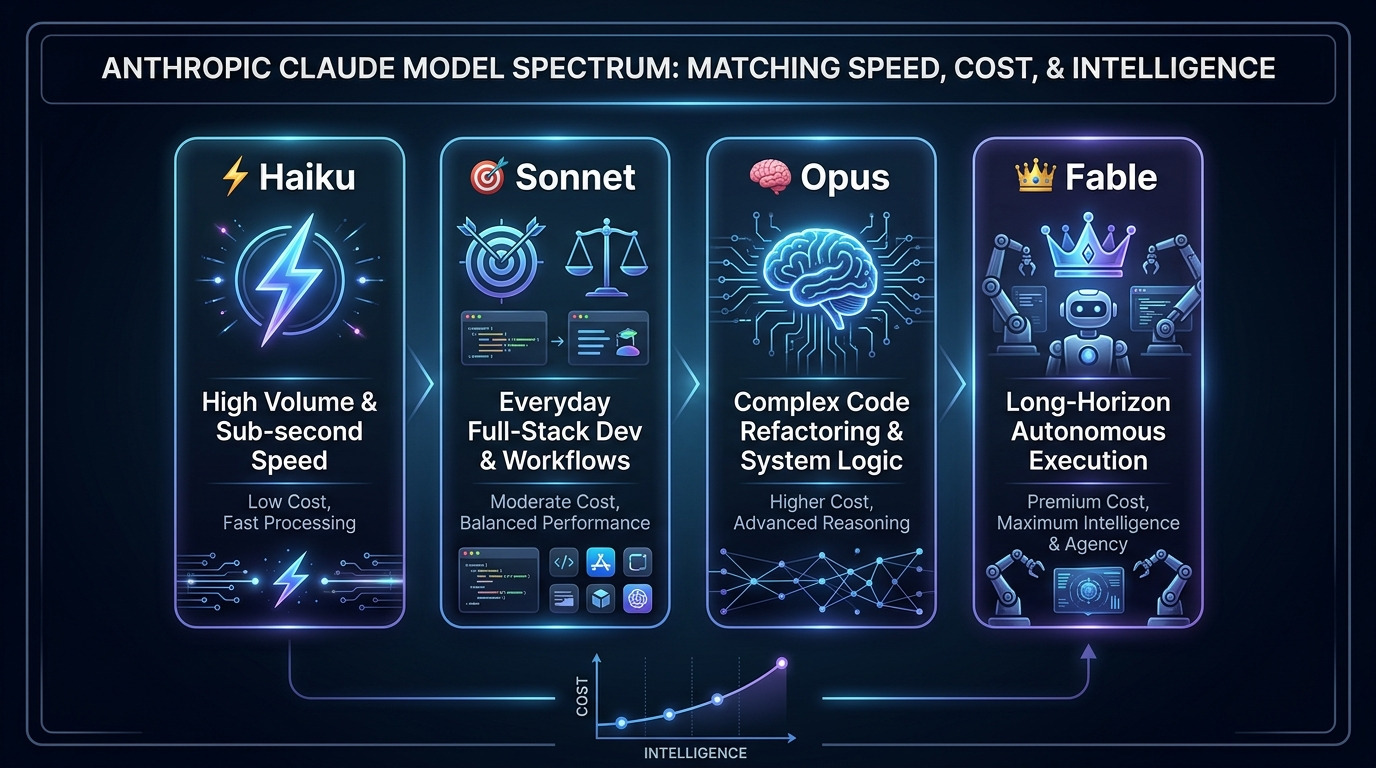
When building software architectures, automating workflows, or handling data streams, matching the task's complexity to the right Claude model keeps costs down while delivering optimal performance.
Anthropic structures its Claude ecosystem across four distinct tiers, each designed for specific workload demands:
1. Claude Haiku — The Speed Demon
- Best For: Ultra-fast responses, lightweight data extraction, classification, and high-volume tasks.
- Real-World Example: Parsing incoming IoT webhooks, real-time log routing, or automated customer support ticket tagging.
- Why Use It: Delivers sub-second responses at a fraction of the cost, handling millions of tokens effortlessly without inflating your API budget.
2. Claude Sonnet — The Workhorse Default
- Best For: Everyday software development, document parsing, system architecture drafting, and balanced reasoning.
- Real-World Example: Drafting full-stack Laravel features, writing complex Eloquent queries, refactoring API endpoints, or summarizing lengthy PDF documentation.
- Why Use It: Offers the optimal sweet spot between near-instant processing and sharp, high-precision intelligence.
3. Claude Opus — The Complex Reasoner
- Best For: Heavy architectural planning, multi-step debugging, deep codebase refactoring, and agentic workflows.
- Real-World Example: Analyzing legacy ERP database schemas, migrating multi-tenant monoliths, or finding subtle race conditions in concurrent SQL transactions.
- Why Use It: Excels when logic gets complex and multi-layered, delivering precision where lesser models hallucinate or drop context.
4. Claude Fable — The Frontier Autonomous Agent
- Best For: Long-horizon multi-day tasks, autonomous coding execution, and high-stakes research synthesis.
- Real-World Example: Running autonomous dev agents that read an entire repository, plan a full system upgrade, execute code changes across 50 files, and write comprehensive test suites.
- Why Use It: Unmatched long-context tracking and self-verification for high-stakes projects.
- SoftwareEngineering
- ArtificialIntelligence
- ClaudeAI
- EnterpriseTech
- SystemArchitecture
- TechLeadership
- DeveloperTools
Share
Keep reading
Related articles
· 2 min read
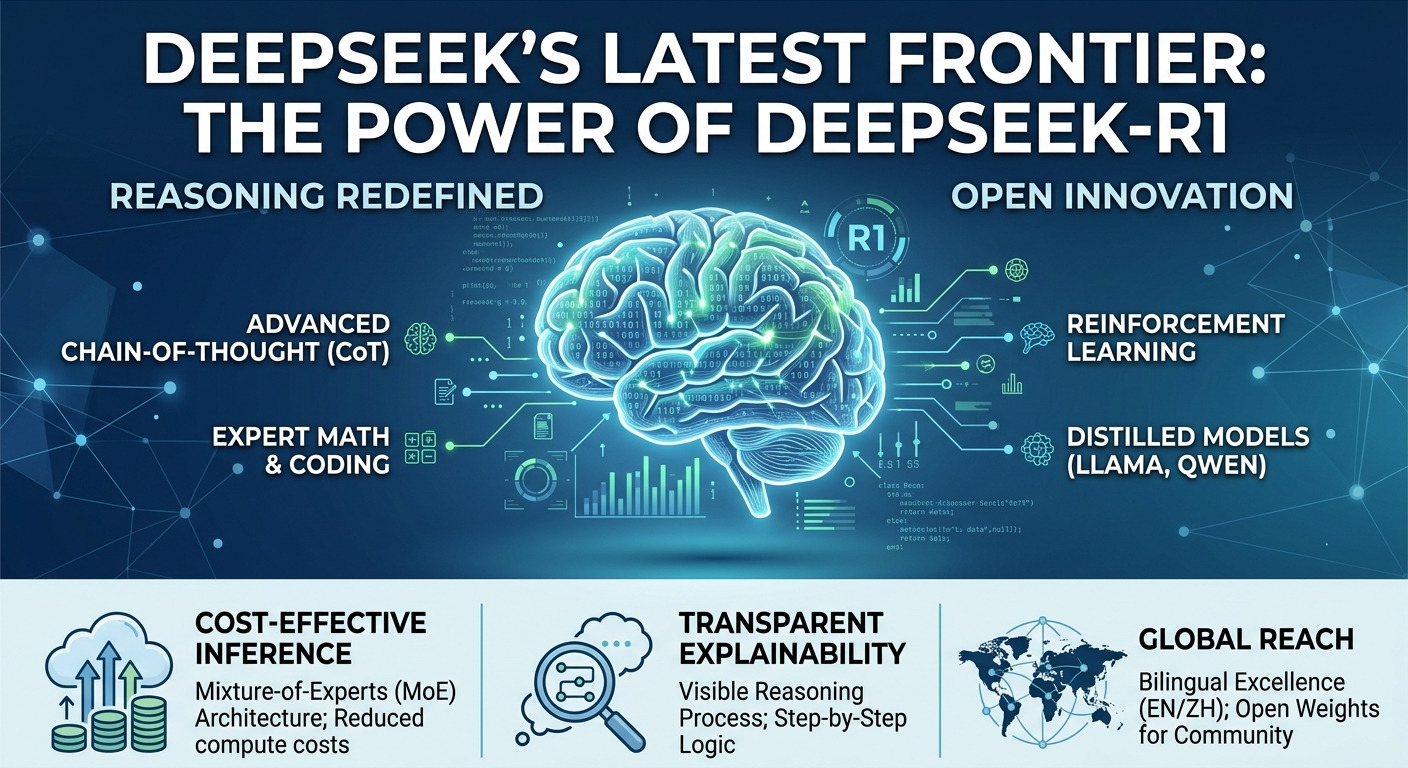
DeepSeek Redefines AI Reasoning: A Game-Changer in Open-Source Intelligence
DeepSeek-V4.1-Flash, released in September 2026, is the newest flagship version from DeepSeek. Built on DeepSeek's efficient architecture, V4.1 Flash offers faster inference speeds, reduced deployment costs, and performance that exceeds previous iterations.
AI & Emerging Tech
· 1 min read
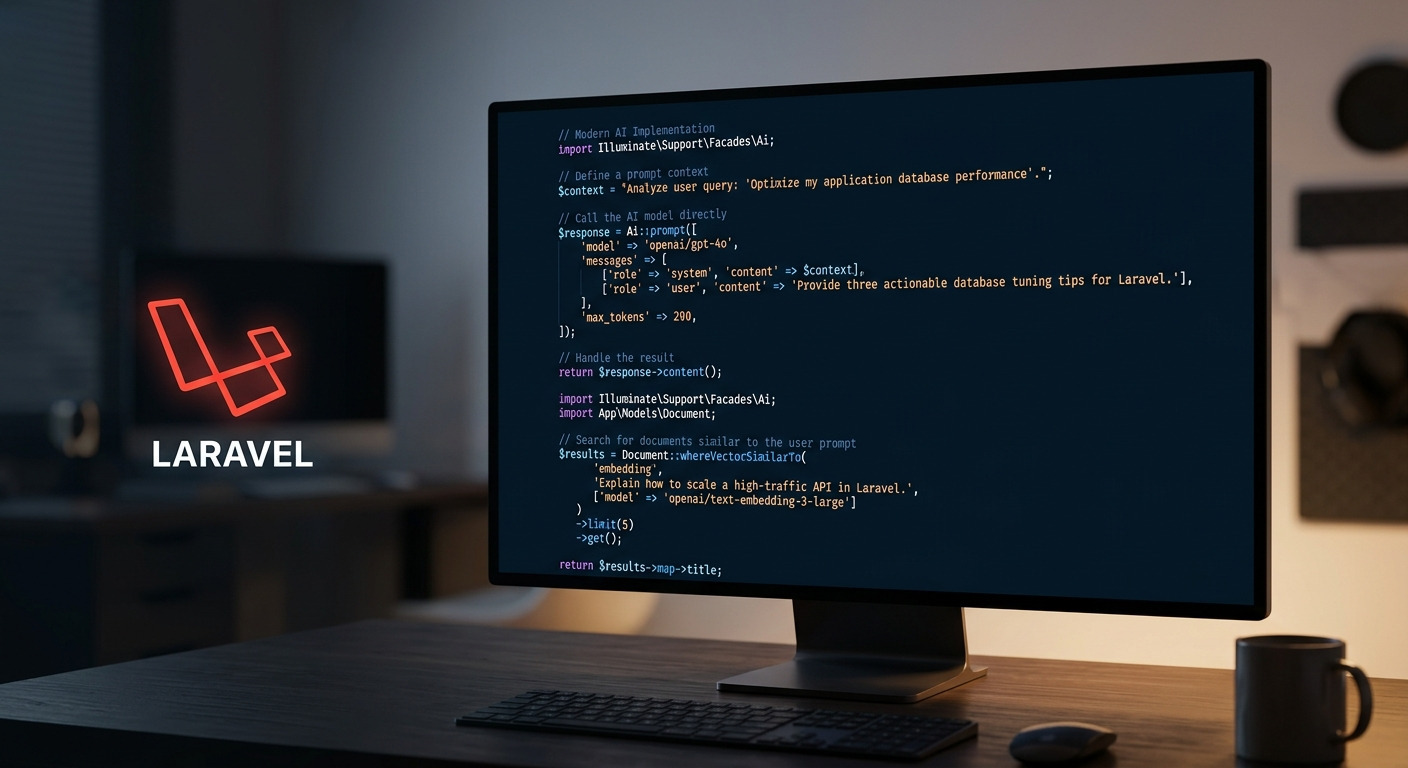
Visual & High-Impact (Focus: First-Party AI SDK)
Laravel just went native with AI. The official AI SDK brings multi-provider switching, built-in failovers, and semantic vector search straight to Eloquent—no third-party packages required.
PHP & Frameworks
· 1 min read
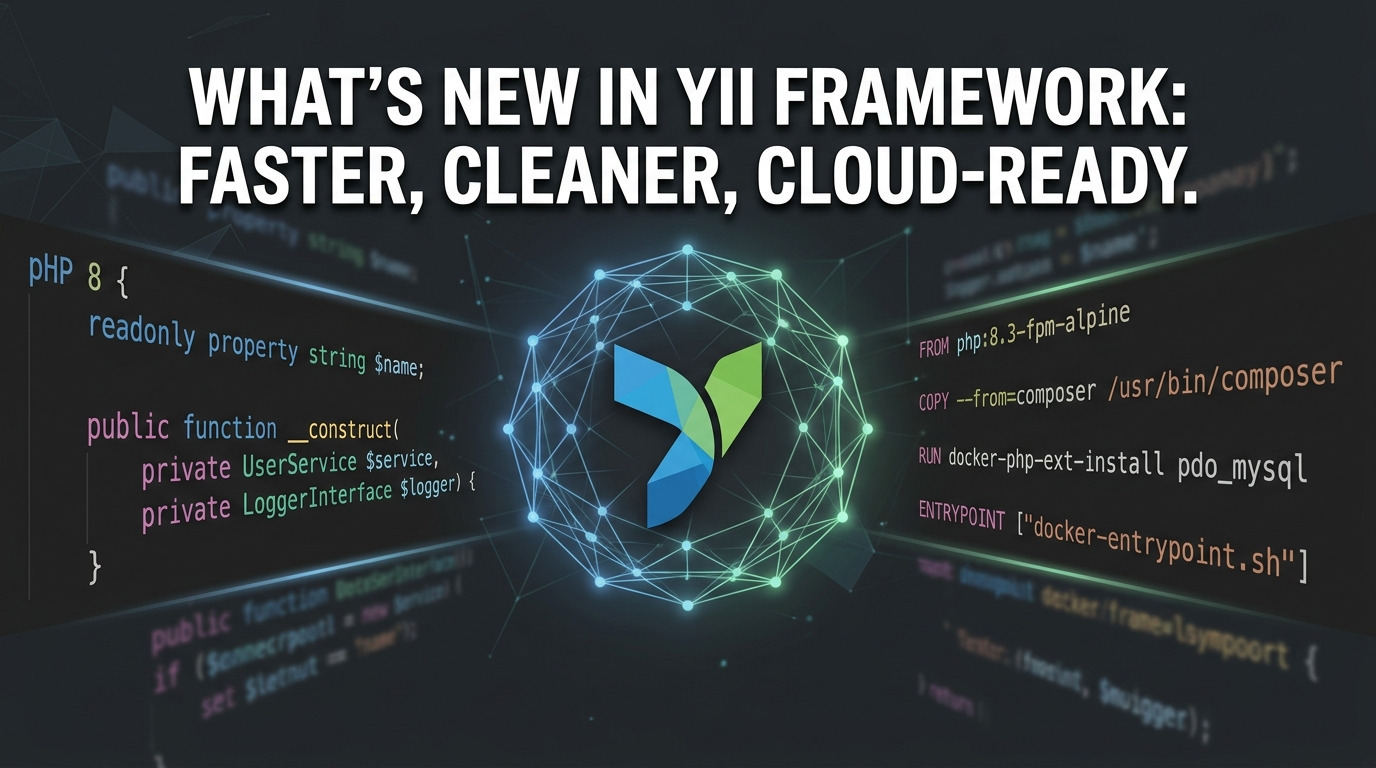
Highlighting the Latest Yii Releases & Modern Upgrades
From first-class PHP modernization and cloud-native container setups to upgraded developer tools, the Yii ecosystem continues to deliver high-performance, enterprise-grade speed. Here is a breakdown of what's new and why it remains a powerhouse PHP backend.
PHP & Frameworks